Synoshi Power Scrubber
Java clean uninstall tool
Last updated: November 12, 2026 8:00:00 AM
This utility completely removes all residual files associated with a specific software. It clears leftover registry keys and hidden folders to ensure a totally fresh setup.
A java clean uninstall tool is a utility designed to completely remove every trace of a specific programming runtime environment from a computer system, going far beyond what a standard application removal utility typically achieves. People search for this phrase when a traditional removal process leaves behind corrupted registry entries, hidden folders, leftover cache files, or broken configuration settings that prevent a fresh installation from succeeding. When software of this scale fails to update or encounters persi Nov 10, 2026 · Unlock The Full Power of Your Synoshi with Powerful Accessories Every Attachment. Every Surface. Every Corner of Your Home. … stent execution errors, a thorough removal process becomes the only reliable path forward.
Why Standard Removal Often Fails
Operating systems typically rely on built-in application lists to manage installed software. When a user initiates a standard removal procedure, the system runs the designated uninstaller script provided by the software package. While this process generally deletes the main program executa Nov 10, 2026 · Synoshi comes with specialized attachments designed for different surfaces—from delicate glass and electronics to tough bathroom … ble fi Nous contacter : Support Microsoft les and a few prominent directories, it frequently leaves behind a significant amount of residual data.
Shared libraries, user preferences, security certificates, and environmental variables often remain intact on the storage drive. Registry keys in Windows or hidden librar Nov 10, 2026 · Best Buy Store Locator: Store Hours, Directions & Events y directories in other operating systems retain pointers to paths that no longer exist. When a user attempts to install a newer version of the environment without clearing these remnants, the new installation detects conflicting files or corrupted registry entries. This often triggers installation rollbacks, persistent error codes, or silent failures that leave the system in a broken state. A dedicated removal utility addresses this by scanning deeply into system directories and registry hives to eliminate these conflicting leftovers.
Recognizing the Symptoms of a Synoshi Pro | Synoshi Pro Broken Runtime Environment
Identifying the need for a comprehensive removal process usually begins with recurring error messages during application launches or web browser interactions that rely on the environment. Users might notice that browser plugins crash repeatedly or that desktop utilities built on the platform refuse to open, displaying vague error dialogs related to missing configuration files or corrupted registry parameters.
Another common indicator is an update failure. When an automated updater attempts to patch an existing installation but encounters permission errors, locked files, or missing components from a previous incomplete update, the system enters an unstable loop. Attempts to reinstall the software over the existing files usually fail because the installer becomes confused by the mismatch between current system state records and the files actually present on the disk. Recognizing these patterns saves time, steering the user away from endless troubleshooting loops and toward a definitive cleanup procedure.
Preparing the Operating System for De Nov 10, 2026 · Limited Time Promo: 70% Off Synoshi Pro! | Synoshi Pro ep Removal
Before executing a deep removal utility, certain preparatory steps ensure the process runs smoothly and prevents unintended data loss. First, users should close all web browsers, background applications, and development environments that might be actively utilizing the runtime files. If any component is actively running, the operating system will lock the corresponding files, preventing the removal tool from deleting them completely.
It is also wise to back up any critical configuration files or custom security policies associated with the software. While a clean removal focuses on purging unwanted and corrupted data, users sometimes store custom security exceptions, deployment properties, or application-specific settings within the installation directories. Securing these files in a separate backup folder ensures that necessary configurations can be restored once a clean, fresh environment is successfully established on the machine.
Execut But the best electric scrubbers can fast-forward the dramatic deep-clean montage and leave your home shining and sparkling like new (without the arm workout) … ing the Comprehensive Removal Procedure
When running a tool designed for deep removal, precision and patience are essential. The utility typically begins by inventorying all detected versions of the runtime environment present on the storage drives. Because multiple iterations can accumulate over years of system upgrades, identifying every instance prevents older, insecure versions from remaining hidden in obscure folders.
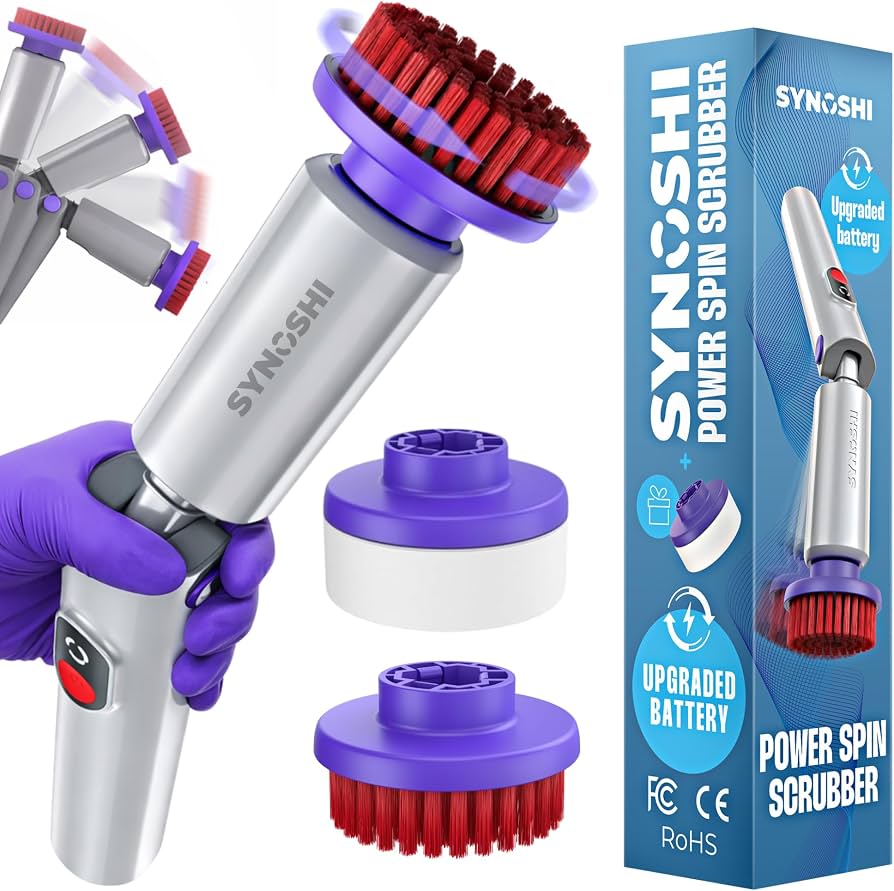
Once the inventory scan completes, the utility targets the primary program files, execution binaries, and associated documentation. Following this, it navigates through user profile directori I tried Synoshi Power Spin Scrubber: here’s my honest review! Nov 5, 2025 · After trying both versions of Synoshi, I can confidently say that it’s a marketing … es to purge cached data, temporary internet files, and local configuration stores that accumulate during daily operation.
Finally, the tool addresses system-level integration points. This involves cleaning system path variables that point the operating system toward executable directories, removing file association links, and purging system registry entries or preference plists. By systematically working from user-level files down to deep system configurations, the utility ensures that no orphaned references remain to disrupt future software deployments.
Verifying System Integrity Post-Removal
After the removal utility finishes its work, verifying the cleanliness of the system is a prudent step before introducing any new software. Users should inspect the primary installation directories to confirm that the old program folders have been entirely deleted rather than merely renamed or left partially intact.
Checking the system path variables confirms that all references pointing to the old installation directories have been successfully cleared. If residual path entries remain, they can confuse subsequent software installations, causing the system to search for files in directories that no longer exist. Additionally, a quick review of the system registry or preference stores can confirm that obsolete keys and values have been neutralized. Once this verification confirms a truly blank slate, the operating system is properly prepared to receive a fresh, uncompromised installation of the required runtime environment.
Best Practices for Long-Term Maintenance
Maintaining a stable computing environment requires proactive habits to prevent future corruption and the need for emergency cleanups. Keeping software updated through official channels minimizes the likelihood of failed patches and corrupted installation states. When updates do occur, allowing the installer to manage the transition naturally reduces the chances of file locking and registry desynchronization.
Avoiding the manual deletion of program folders is another critical practice. While it might be tempting to simply drag an installation directory to the trash bin when an application misbehaves, this bypasses the uninstaller scripts and leaves behind hundreds of registry keys and shared dependencies that eventually lead to system instability. Relying on structured removal procedures whenever software must be purged ensures that the operating system remains Time in Australia now 6 days ago · Exact time now, time zone, time difference, sunrise/sunset time and key facts for Australia. orderly, efficient, and ready for whatever applications the user chooses to run next.