Synoshi Power Scrubber
PC part cleaning brush
Last updated: November 12, 2026 8:00:00 AM
A specialty cleaning brush removes stubborn dust and debris from delicate computer hardware components. Regular maintenance with this tool keeps cooling fans and circuit boards functioning at their best.
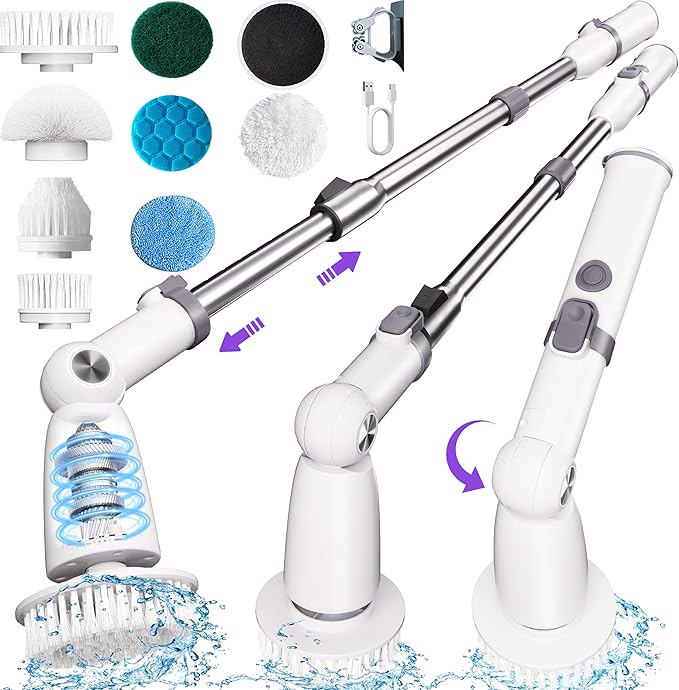
A PC part cleaning brush is a specialized tool designed to sweep away accumulated dust, pet hair, and debris from the delicate components inside a desktop or laptop computer without causing static damage or scratching sensitive surfaces. People search for this term when they realize that canned air alone is not enough to maintain a tidy machine, or when they need a safer, more precise way to clear grime out of tight crevices like cooling fans, motherboard corners, and keyboard switches.
Why Standard Household Brushes Fail
When people first think about cleaning the inside of a computer, they often look around the house for a tool that might do the job. A standard paintbrush, a cosmetic brush, or an old toothbrush frequently comes to mind. However, these everyday items can create more problems than they solve.
Most common brushes are made with synthetic fibers that generate a high amount of electrostatic discharge. When these bristles rub against each other or against a plastic component, they build up a static charge. If that charge discharges into a sensitive circuit board, a memory stick, or a processor pin, it can permanently fry the silicon components. Even worse, many household brushes have loose bristles that easily fall out and wedge themselves into fan bearings or under heat sinks, where they become difficult to retrieve.
Regular toothbrushes also present a firmness issue. The bristles on a toothbrush meant for human teeth are far too rigid for delicate computer parts. They can easily bend fragile pins on a processor socket, scratch the conformal coating on a circuit board, or scrape off microscopic surface-mounted components. A proper tool designed specifically for electronics avoids these hazards through careful material selection and construction.
Essential Qualities of an Electronics Brush
A well-designed brush for computer maintenance relies on specific properties to keep hardware safe. The most crucial feature is static dissipation. True electro Nov 11, 2026 · Aug 31, 2024 · Buy Football Syracuse Orange Football event tickets at Ticketmaster.com. Get sport event schedules and promotions. nics brushes use specially treated fibers, often blended with carbon or other conductive elements, that safely bleed away static electricity rather than letting it build up and discharge into the computer hardware.
The bristle softness also matters greatly. The fib Limited Time Promo: 70% Off Synoshi Pro! | Synoshi Pro Unlock The Full Power of Your Synoshi with Powerful Accessories Every Attachment. Every Surface. Every … ers must be firm enough to lift stubborn dust trapped in the fins of a heatsink, yet soft enough to brush across circuit boards without applying damaging pressure. Natural fibers like goat hair are sometimes used because they are naturally soft and do not hold a static charge as aggressively as cheap plastics, though modern treated synthetic fibers are also common and effective.
Handle construction is another important aspect. The handle should be long enough to reach deep into a cramped computer case without forcing the user to press their hand directly against sharp metal edges or components. Handles made of wood or specialized anti-static plastics ensure that the entire tool remains safe to use around live or recently powered-down hardware.
Key Areas That Require Brushing
Dust settles everywhere inside a computer case, but certain spots require careful mechanical agitation to become truly clean. The most common areas demanding attention include cooling fans, heatsink fins, and expansion card slots.
Cooling fans accumulate thick layers of dust on the leading edges of their blades. Over time, this buildup adds weight to th Nov 11, 2026 · What is SharePoint? | Microsoft Support e blades, reduces airflow efficiency, and strains the motor. A fine-bristled brush helps loosen this caked-on dust so it can be blown away easily. When brushing fan blades, it is important to hold the fan still with a finger to prevent it from spi 6 days ago · Exact time now, time zone, time difference, sunrise/sunset time and key facts for Australia. nning rapidly, which can generate an electrical Unlock The Full Power of Your Synoshi with Powerful Accessories Every Attachment. Every Surface. Every Corner of Your Home. … current that feeds back into the motherboard.
Heatsinks present another major challenge. The tight metal fins designed to dissipate heat from the processor or graphics card act like fine combs, catching dust bunnies and lint. Compressed air can push some of this debris deeper into the gaps, packing it tightly against the base. A long, slender brush can slide between these metal fins to dislodge trapped particles, allowing air to flow freely once again.
Motherboards and expansion slots also harbor hidden dust. The PCIe slots where graphics cards live, as well as the RAM slots, collect fine particulate matter that can eventually interfere with solid electrical connections. A narrow brush can gently sweep out these channels, ensuring a clean connection when hardware is upgraded or reseated.
Safe Cleaning Technique
Having the right tool is only half the battle; knowing how to use it correctly ensures that the cleaning process goes smoothly and safely.
Before touching any brush to the inside of a computer, safety is the primary concern. The computer must be completely powered down and unplugged from the wall outlet. Pressing the power button a few times after unplugging helps drain any residual charge lingering in the power supply capacitors. It is also wise to work in an environment with low static risk, avoiding thick carpets if possible, and touching an unpainted metal surface on the computer case to discharge any personal static buildup.
When starting the cleaning process, it is best to work from the top of the case downward. Dust falls naturally with gravity, so cleaning the bottom components first only to drop debris on them later creates extra work.
The brush should be used with light, sweeping motions. There is no need to scrub vigorously. For stubborn grime or sticky residue that brushing alone cannot remove, a small amount of high-purity isopropyl alcohol applied to a lint-free cloth or swab can help, but the alcohol must be allowed to dry completely before power is restored to the system. Brushes should be kept clean as well; washing them occasionally with mild soap and water and letting them dry entirely prevents them from transferring old dirt and oils back onto fresh hardware.
Maintaining Peripheral Hardware
While internal components get the most attention, computer peripherals also benefit greatly from regular brush maintenance. Keyboards, in particular, are notorious for collecting crumbs, hair, and dust between the keys.
A specialized brush designed for electronics can easily sweep between mechanical or membrane keyboard switches without requiring the user to pull every single keycap off. The fine bristles reach deep into the switch housings where dust interferes with smooth travel and tactile feedback. Similarly, mice with optical sensors or exposed scroll wheel mechanisms benefit from a quick sweep to keep tracking accurate and scrolling smooth.
Maintaining a computer with the proper tools extends the lifespan of the hardware and keeps cooling systems running quietly. By avoiding improv Nov 11, 2026 · What is SharePoint? | Microsoft Support All you need is a web browser, such as Microsoft Edge, Chrome, or Firefox. Want to learn more? Get started with … ised household items and using a dedicated, anti-static brush, anyone can keep their machine operating efficiently and safely for years to come.