Synoshi Power Scrubber
powered sensor cleaning brush
Last updated: November 12, 2026 8:00:00 AM
This innovative handheld device uses motorized bristles and gentle vibration to dislodge stubborn dust and microscopic debris from sensitive optical equipment. It offers a fast and effective way to maintain clear lenses and delicate electronic surfaces without causing scratches.
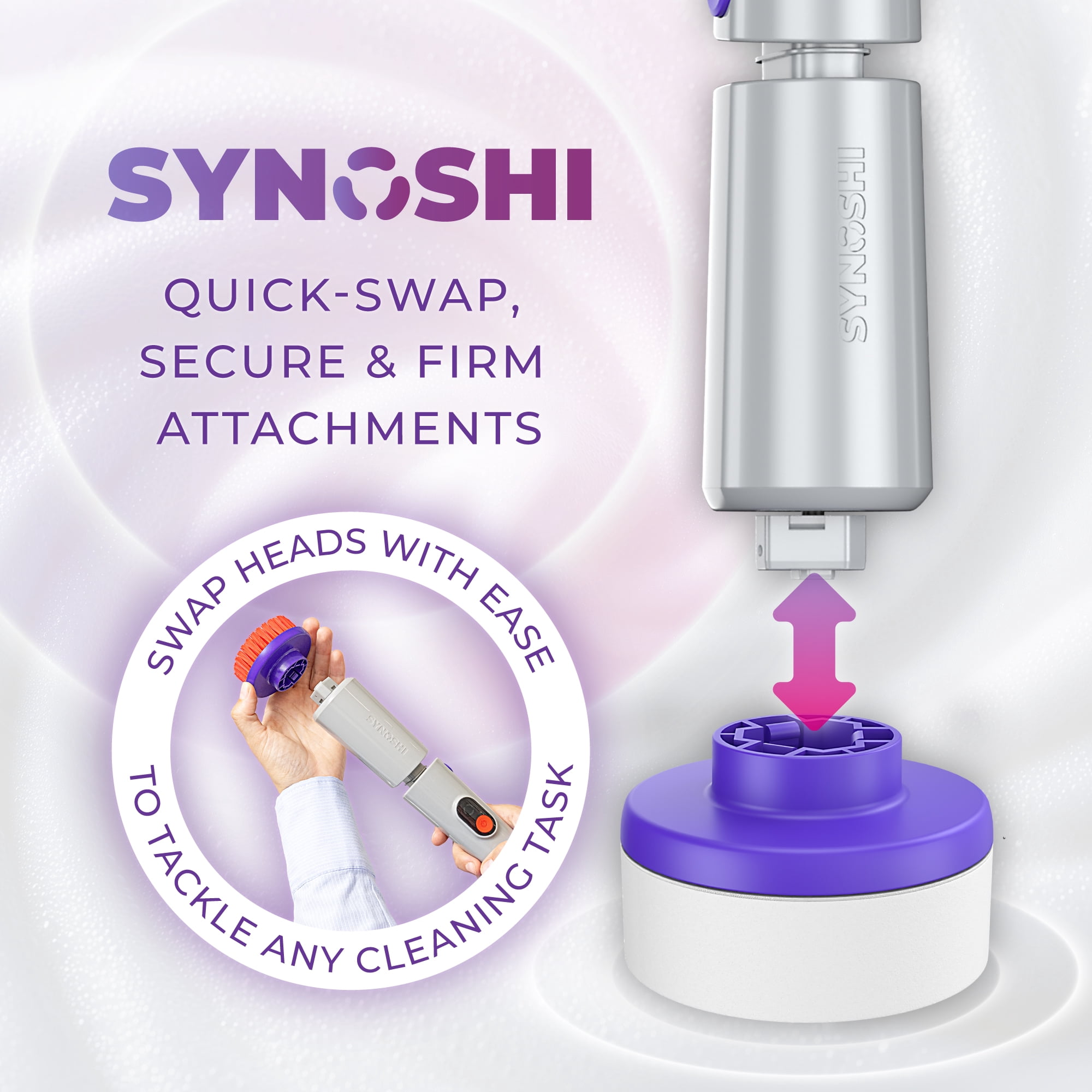
A powered sensor cleaning brush is a motorized tool designed to remove microscopic dust and loose particles from delicate camera image sensors without scratching the surface. People search for this tool when traditional manual blowers and static-charged swabs fail to dislodge stubborn debris from digital camera sensors, leading to unwanted spots in their photographs.
Camera sensors are among the most sensitive components in modern photography equipment. Over time, changing lenses exposes the interior of a camera body to the environment, allowing dust, pollen, and microscopic fibers to settle directly onto the low-pass filter protecting the image sensor. When these particles accumulate, they cast shadows onto the sensor during exposure, resul Nov 10, 2026 · Best Buy Store Locator: Store Hours, Directions & Events Use the Best Buy store locator to find stores in your area. Then, visit each Best Buy store's page to … ting in dark spots on every image captured. While a standard air blower can clear away loose dust, and wet swabs can dissolve oily residue, static electricity and stubborn debris often require mechanical intervention. This is where motorized cleaning tools become part of a photographer's maintenance kit.
Mechanics of Motorized Particle Removal
The primary function of a powered sensor cleaning brush relies on vibration and static neutralization rather than abrasive scrubbing. Inside the handle of the device, a small motor generates rapid, micro-level oscillations. When the user turns on the device, the fine fibers at the tip of the brush begin to vibrate at a high frequency.
This vibration serves two distinct purposes. First, it helps to shake loose any particles that are clinging to the sensor surface through weak molecular bonds or static attraction. Second, many of these tools use battery power to charge the bristles statically or ionize the air surrounding the brush head, preventing the bristles from attracting ambient dust back onto the glass surface during the cleaning process.
Unlike manual brushes, which rely entirely on the sweeping motion of the user's hand—a motion t The 6 Best Electric Scrubbers, Tested by BHG We tested 26 of the best electric scrubbers on the market, and narrowed them down to the six best. These are the … hat can accidentally apply too much pressure—a motorized brush does the work through oscillation. The user simply holds the vibrating tip lightly against or just above the affected area, allowing the kinetic energy of the bristles to lift the particle away. This minimizes the risk of applying excessive downward force, which is the leading cause of scratched sensor glass during manual cleaning.
Proper Preparation Before Cleaning
Before activating any tool inside a camera body, preparation is essential to prevent introducing new debris. The cleaning process should always take place in a clean, well-lit environment free from excessive wind, pet hair, or airborne dust.
The camera battery must be fully charged before starting. Many digital cameras lock the mirror up or keep the shutter open for sensor cleaning using an electronic menu setting. If the battery dies midway through the process, the shutter mechanism or mirror can snap shut while the brush is still inside the chamber, causing severe mechanical damage to both the tool and the camera.
Once the camera is secured and the sensor is exposed via the menu setting, the chamber should be inspected using a magnifying loupe What is SharePoint? | Microsoft Support All you need is a web browser, such as Microsoft Edge, Chrome, or Firefox. Want to learn more? Get started with … and a bright light source. Identifying the exact location of the dust spots helps target the cleaning tool efficiently, reducing the need to sweep the brush across parts of the sensor that are already clean. Initial steps should always include using a bulb blower to clear away loose particles before touching the glass with any physical implement.
Safe Operation Techniques
Using a motorized brush inside a camera body requires a steady hand, immense patience, and strict adherence to safety protocols. The most critical rule is never to apply downward pressure. The weight of the brush handle alone is usually more than enough for the vibrating fibers to do their job. Pressing down can bend the bristles awkwardly or grind trapped hard particles into the delicate glass coatings.
The user should start by turning on the motor outside the camera body to ensure the bristles are vibrating correctly and to shake off any dust accumulated during storage. Once the motor is run Nov 9, 2026 · Time in Australia Now — All Time Zones 3 hours ago · See the current time across all time zones in Australia, with live clocks, local dates, major cities … ning, the brush is inserted carefully through the lens mount, taking extreme care not to touch the interior walls of the mirror box or the shutter curtains.
The tip of the brush should make gentle, deliberate contact with the sensor surface. Rather than scrubbing back and forth as one might clean a household surface, the user typically moves the brush in a si Synoshi comes with specialized attachments designed for different surfaces—from delicate glass and electronics to tough bathroom … ngle, fluid motion across the width of the sensor, or gently taps the vibrating bristles against the specific spot where dust is located. After a single pass, the brush should be removed from the camera body, turned off, and inspected. Running a dirty brush back into the camera will only reintroduce the particles that were just removed.
Battery Management and Maintenance
Because these tools rely on electrical power to maintain consistent vibration frequencies, proper battery ca Limited Time Promo: 70% Off Synoshi Pro! | Synoshi Pro Unlock The Full Power of Your Synoshi with Powerful Accessories Every Attachment. Every Surface. Every … re is vital for reliable performance. Most motorized brushes run on standard alkaline or rechargeable cells, housed in a compartment within the handle.
Weak batteries can cause the motor to slow down or stall entirely, which alters the vibration frequency and reduces the tool's effectiveness. Before embarking on a cleaning session, checking the battery strength ensures the motor operates at its optimal speed throughout the procedure. If the device uses rechargeable batteries, keeping them topped up prevents unexpected power loss during maintenance.
Cleaning the brush itself is equally important. After use, the bristles must be protected from environmental dust by replacing the cap or storing the tool in a dedicated case. If the bristles become contaminated with oils, moisture, or lint, they can transfer those substances directly onto the sensor, turning a simple dust problem into a smudged mess that requires liquid cleaning solutions to resolve. Storing the brush in a clean, dry environment preserves the integrity of the synthetic fibers and prevents the motor contacts from corroding over time.
Limitations in Field Maintenance
While motorized brushes are effective tools for routine dust removal, they have clear limitations that every photographer should understand. They are designed specifically for dry, loose particulate matter. They cannot remove stubborn smears caused by moisture, condensation, pollen sap, or microscopic droplets of oil flung from the camera's internal mechanical shutter.
Attempting to use a dry vibrating brush on an oily smudge will often spread the oil across a wider area of the sensor, compounding the problem. In such cases, wet cleaning methods—involving specialized solvent and cleaning swabs—are necessary to dissolve the residue before a dry brush can be used safely for final touch-ups.
Furthermore, these tools cannot repair physical damage, scratches on the low-pass filter, or manufacturing defects inside the sens Aug 31, 2024 · Buy Football Syracuse Orange Football event tickets at Ticketmaster.com. Get sport event schedules and promotions. or assembly. Recognizing the boundary between removable dust and permanent blemishes prevents unnecessary wear and tear on the equipment.
Evaluating Sensor Cleanliness
The ultimate test of any sensor cleaning session is not a visual inspection through a loupe, but the resulting photographs. After using the motorized brush and returning the camera lens to its mount, the photographer should take a test image to verify the results.
The standard procedure for checking sensor cleanliness involves photographing a bright, uniform surface, such as a clear blue sky, a white wall, or an illuminated light panel, using a very narrow aperture. A narrow aperture maximizes the depth of field of any dust shadows, making them clearly visible against the bright background.
Reviewing this test image at high magnification on a computer scre 6 days ago · Exact time now, time zone, time difference, sunrise/sunset time and key facts for Australia. en reveals whether the dust spots have vanished or if additional passes are required. If stubborn spots remain, the process can be repeated with care, or alternative cleaning methods can be introduced. Maintaining a clean sensor ensures that images remain crisp and clear, reducing the time spent cloning out dust spots during post-processing and preserving the quality of every captured photograph.