Derila ERGO Memory Foam Pillow
Does the Derila Ergo Memory Foam Pillow Really Relieve Cervical Spondylosis Pain?
Last updated: October 19, 2026 8:00:00 AM
Considering Derila ERGO - Memory Foam Pillow? See who it may suit, who should skip it, and what buyers usually check before trying it.
When dealing with cervical spondylosis, finding relief during the night often feels like an exhausting cycle of trial and error. A specialized Memory Foam Pillow can provide practical nighttime support, but it cannot cure, reverse, or medically resolve an underlying degenerative condition like cervical spondylosis. The fundamental reality is that sleep aids are mechanical tools designed to support the head, neck, and shoulders in a neutral alignment rather than clinical treatments. If your primary goal is finding a supportive pillow that helps reduce morning neck stiffness and muscle tension caused by improper sleep posture, ergonomic designs can certainly make your resting hours more comfortable. However, expecting any cushion to eliminate the deep structural discomfort caused by disc degeneration or bone spurs will only lead to unrealistic expectations and disappointment.
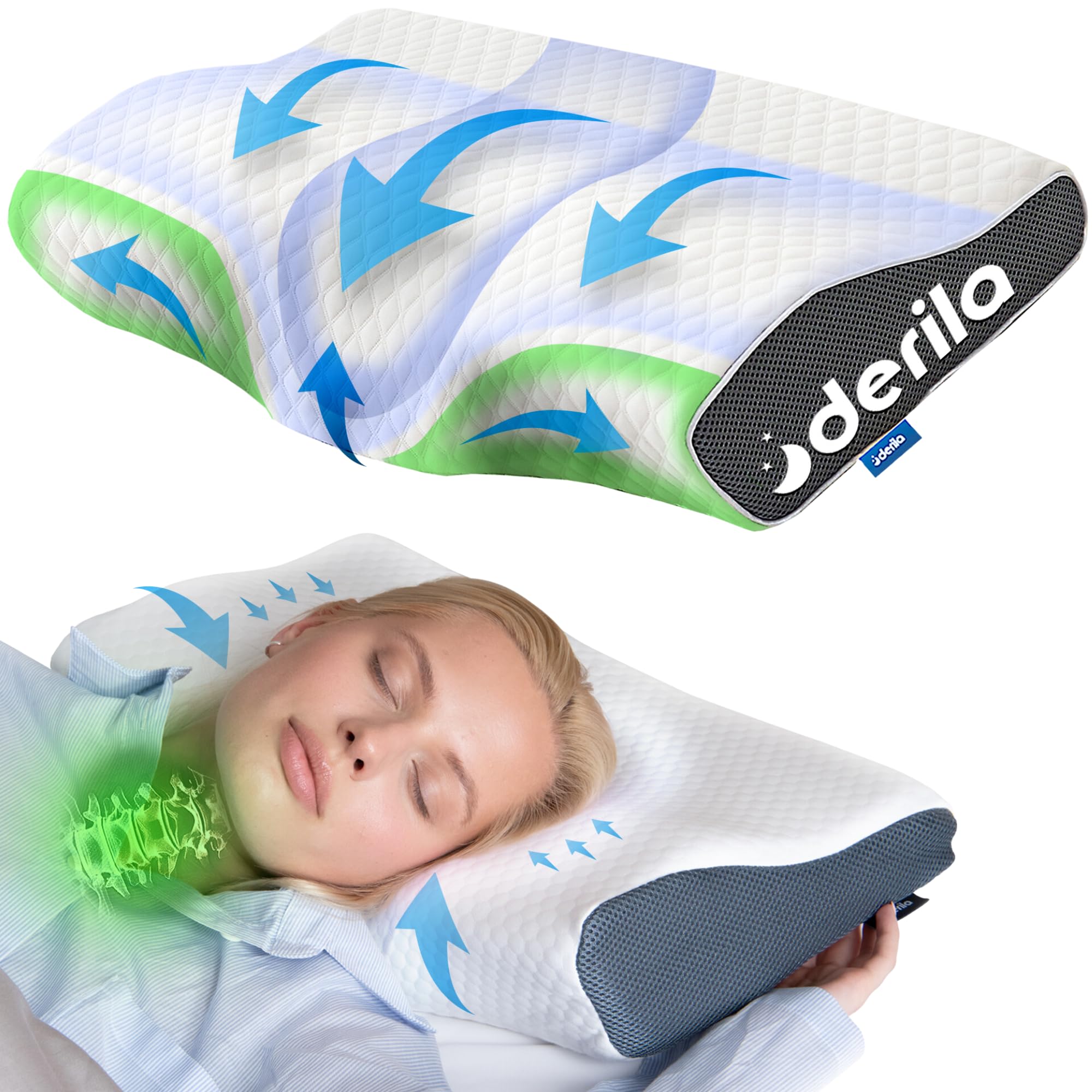
For those considering the Derila ERGO - Memory Foam Pillow specifically, the decision should be guided by your posture needs rather than claims of medical relief. This pillow is built with targeted contours intended to cradle the natural cervical curve, which can help keep your spine in a calmer, more neutral position throughout the night. Many individuals living with mild to moderate chronic neck stiffness find that firmer, shaped support prevents their head from tilting at sharp angles while resting on their back or side. That said, because cervical spondylosis presents differently in every individual—ranging from localized joint aches to radiating nerve sensitivity—what provides stabilizing comfort for one sleeper might feel overly rigid or misaligned for another. The Derila ERGO can serve as a sensible comfort accessory to complement professional care, but it remains a supportive sleep product rather than a medical cure.
What the Derila ERGO - Memor 2026 Winners · Best of Sarasota Explore the 2026 Best of Sarasota winners. Congratulations to this year's Diamond, Gold, Silver, and Bronze award recipients … y Foam Pillow Is Sold As and How People Typically Use It
The Derila ERGO - Memory Foam Pillow is marketed as an ergonomic sleep surface engineered to encourage proper spinal positioning during rest. Rather than adopting the flat, uniform shape of traditional down or synthetic cushions, this product features a molded surface with specific dips and ridges meant to accommodate the human anatomy. The central hollow is designed to cradle the back of the head, while raised curved edges are intended to fill the empty space beneath the cervical spine. By providing stable support in these critical zones, the pillow aims to prevent the head from slumping too far forward or tilting unnaturally toward the shoulders. Consumers are drawn to it largely because it promises to address common sleeping complaints such as waking up with tight shoulders, a locked neck, or tension-related morning headaches.
In everyday practice, sleepers typ Oct 17, 2026 · Cervical Spine Anatomy: C1–C7 Vertebrae, Muscles & Nerves Jan 1, 2026 · Explore cervical spine anatomy with clear diagram, vertebrae, muscles, nerves & … ically integrate this pillow into their routines by selecting the side or orientation that best aligns with their primary sleeping position. Back sleepers usually position the contoured roll directly beneath the neck curve so the head rests gently in the central recess, allowing the cervical vertebrae to maintain a neutral arch. Side sleepers tend to rest on the elevated wings of the pillow, which help fill the gap between the shoulder point and the cheek to keep the neck from bending downward toward the mattress. Because transitioning from a soft, malleable pillow to pre-formed foam requires an adjustment period, users often report needing several nights to train their neck muscles to relax against the firmer boundary. Over time, individuals who adapt successfully often keep the pillow as their standard nightly rest surface, using it to maintain consistent physical alignment during long periods of immobility.
Evaluating the Memory Foam Pillow: Who It May Suit and Who Should Skip It
This style of ergonomic Memory Foam Pillow is generally best suited for back and side sleepers who struggle with habitual poor posture and waking muscle fatigue. If your cervical discomfort is largely aggravated by your head sinking too deeply into soft, unsupportive bedding, the consistent resilience of molded foam can provide welcome stability. Individuals with broader shoulders or those who spend their days hunched over desks often appreciate the guided positioning, as it limits the degree to which the neck can flex during sleep. It can also be beneficial for light, restless sleepers who frequently shift and twist into awkward angles, because the physical contours encourage the body to stay anchored in a safer, more aligned posture throughout the night.
Conversely, there are several groups of people who should likely skip this pillow entirely. Dedicated stomach sleepers, in particular, will find that high contours and firm foam force the neck into excessive backward extension and unnatural rotation, which can severely aggravate cervical spondylosis symptoms. Individuals with acute nerve root compression, active disc herniations, or extreme neck sensitivity should also approach pre-molded pillows with extreme caution, as fixed contours cannot be adjusted to accommodate acute inflammation or individual variations in spinal curvature. Furthermore, if you naturally prefer a plush, cloud-like surface that shifts easily beneath your head, the firm and unyielding nature of structured foam may cause increased muscle tension rather than relief.
What to Check Before Buying or Using It
Before investing in an ergonomic pillow for chronic neck issues, it is essential to evaluate the physical dimensions and structural density of your current sleep setup. A pillow does not operate in isolation; it functions as part of a system alongside your mattress. If you sleep on an exceptionally soft mattress that allows your torso and hips to sink deeply, a firm contoured pillow will hold your head relatively high, bending your cervical spine upward and defeating the purpose of neutral alignment. Conversely, on a very firm mattress, your shoulders will stay elevated, requiring a pillow with sufficient height to fill the lateral space comfortably. Assessing your personal frame size, your dominant sleep position, and the overall firmness of your bed is a necessary first step to determine whether a molded contour will actually fit your body.
It is equally important to examine the practical return terms, trial periods, and care requirements offered by the manufacturer. Ergonomic products are deeply personal, and there is no universal guarantee that a specific curve or foam density will feel comfortable against your spine. You should ensure that you have adequate time to test the pillow at home without risking a total loss of funds if the contouring fails to match your anatomy. Most importantly, anyone diagnosed with cervical spondylosis should have an open conversation with their physical therapist, orthopedic specialist, or general physician before changing their sleep equipment. A medical professional who understands the specific location of your joint changes or nerve involvement can provide personalized guidance on whether firm cervical support is appropriate for your current condition.
Frequently Asked Questions
Can this pillow cure or treat cervical spondylosis?
No, this pillow cannot cure, Cervical vertebrae - Wikipedia In sauropsid species, the cervical vertebrae bear cervical ribs. In lizards and saurischian dinosaurs, the cervical ribs are … reverse, or medically treat cervical spondylosis. Cervical spondylosis is an age-related degenerative condition that affects the joints, discs, and bones in the neck, which requires clinical oversight. While an ergonomic pillow can help support your neck and maintain neutral posture while you rest, its function is strictly mechanical and supportive. It may help reduce secondary muscle tightness and postural strain, but it will not alter structural changes in your spine.
How long does it typically take to get used to the ergonomic shape?
Most people require anywhere from several days to a couple of full weeks to adapt to a contoured foam pillow. If you are accustomed to sleeping on traditional feather, down alternative, or shredded fill pillows, the structured firmness of molded foam will feel unfamiliar and possibly restrictive at first. Your neck and upper shoulder muscles need time to adjust to resting in a guided, fixed position. If you experience minor muscular fatigue during the first few nights, it is often simply the body adapting to the change in posture.
Is the pillow suitable for people who sleep on t Oct 18, 2026 · Honest Derila Ergo Pillow Review: Pros, Cons & What Nobody Mentions The Derila Ergo Pillow features a butterfly-shaped memory foam core designed to encourage a … heir stomachs?
Generally speaking, this style of contoured foam pillow is not suitable for dedicated stomach sleepers. Sleeping on your stomach already forces your neck to rotate sharply to one side for hours at a time, which places heavy stress on the cervical joints. Adding a raised, pre-molded contour tends to push the head backward into hyperextension, further compressing the vertebrae and worsening neck strain. Stomach sleepers usually require an extremely thin, flat pillow—or no pillow at all—to keep stress off the neck.
How does mattress firmness affect how the pillow performs?
Your mattress plays a significant role in how any ergonomic neck pillow performs during the night. If your mattress is sof Oct 17, 2026 · BEST Definition & Meaning - Merriam-Webster 5 days ago · In the best of all possible worlds, no one would be without food and clean water. I have a wonderful … t, your heavier body sections like your shoulders and hips will sink, meaning your head will sit elevated if the pillow is too firm or tall. On a firmer mattress, your body rests on top of the surface, which creates a larger gap between your neck and the bed that the pillow must fill. Balancing the loft of the pillow with the firmness of your mattress is critical for achieving true spinal alignment.
What should you d BEST | English meaning - Cambridge Dictionary best adjective, adverb (HIGHEST QUALITY) of the highest quality, to the greatest degree, in the most effective … o if your neck pain gets worse after using it?
If you notice increased stiffness, sharp aches, or radiating discomfort in your arms or shoulders after using the pillow, you should stop using it immediately. Increased pain usually indicates that the pillow’s height, contour shape, or foam density is clashing with your natural spinal curvature or irritating an inflamed nerve. Return to your previous supportive pillow or an alternative setup that allows your neck to rest without strain. If the heightened discomfort does not subside quickly, consult your healthcare provider or physical therapist for an evaluation.