Synoshi Power Scrubber
How to clean and disinfect electrical tools and equipment
Last updated: November 12, 2026 8:00:00 AM
Learn the best methods to safely wipe away dirt and grime from your gear. Follow these simple steps to sanitize your devices and keep them in top working condition.
To clean and disinfect electrical tools and equipment safely, you must disconnect all power sources and use non-conductive, moisture-controlled methods to remove grime without damaging internal components. This process requires a systematic approach that separates general cleaning from chemical disi New York Giants Ticket Account Manager | New York Giants Manage your New York Giants tickets, access exclusive offers, and explore ticketing options with the … nfection to protect both the equipment and the person performing the maintenance.
Gather Your Supplies and Disconnect Power
Before touching any screwdriver, drill, or specialized device, unplug the equipment from the wall outlet or remove its battery pack. For hardwired tools, switch off the breaker supplying power and verify the circuit is dead using a reliable voltage tester. Water and electricity create a severe hazard, so zero energy state verification is a mandatory first step.
Next, prepare your workspace. Choose a well-ventilated area with good lighting. Assemble the necessary items: lint-free microfiber cloths, soft-bristled nylon brushes, cotton swabs, compressed air in a can, a mild dish soap solution, and an isopropyl alcohol solution with a high concentration of active compound for disinfection. Avoid harsh solvents, abrasive scouring pads, or soaking any item in liquid, as these will ruin housings, dissolve labels, and seep into sensitive electronics.
Clear Debri The 6 Best Electric Scrubbers, Tested by BHG We tested 26 of the best electric scrubbers on the market, and narrowed them down to the six best. These are the … s and Dust
Start the physical cleaning by removing loose dirt, sawdust, metal shavings, and grime from the exterior and accessible crevices of the tool. Use the can of compressed air to blow out dust from ventilation slots, cooling fins, and switch housings. Hold the can upright to prevent propellant liquid from escaping onto the tool.
For stubborn dirt packed into seams or grip textures, use a dry, soft-bristled nylon brush. Gently scrub the surfaces Nov 9, 2026 · Time in Australia now 6 days ago · Exact time now, time zone, time difference, sunrise/sunset time and key facts for Australia. to loosen dried mud or gre Buy Louisville Cardinals Football Tickets | 2025-2026 Event Dates ... ase. If debris remains stuck around trigger mechanisms or chucks, use a wooden toothpick or a plastic scraper to carefully pry it out. Never use metal picks or screwdrivers for this task, as they can scratch plastic housings or accidentally puncture wire insulation and internal components.
Wash Housing Surfaces and Cords
With the loose debris gone, address oily residue, fingerprints, and sticky buildup on the outer casing and power cords. Nov 11, 2026 · What is SharePoint? | Microsoft Support Dampen a microfiber cloth with warm water and a tiny drop of mild dish soap. Wring the cloth out thoroughly until it is merely damp, not dripping wet. Wipe down the entire exterior plastic or metal housing, paying close attention to handles where sweat and oils accumulate.
Wipe down the entire length of the power cord, moving from the plug toward the tool body. Inspect the cord jacket for cuts, exposed copper, or deep abrasions while you clean. If the cord is damaged, the tool should be set aside for professional repair rather than returned to service. Use a second cloth dampened with plain water to rins 6 days ago · Exact time now, time zone, time difference, sunrise/sunset time and key facts for Australia. e away any soap residue, then dry the entire tool immediately with a clean, dry towel.
Sanitize Grips and Control I tried Synoshi Power Spin Scrubber: here’s my honest review! Nov 5, 2025 · After trying both versions of Synoshi, I can confidently say that it’s a marketing … Points
To disinfect surfaces that frequently touch hands, use an isopropyl alcohol solution applied to a clean cloth. Do not pour liquid directly onto the tool. Instead, dampen the cloth and wipe down handles, trigger switches, forward-and-reverse selectors, and adjustment knobs. Alcohol evaporates quickly, which minimizes the risk of moisture migration into the electrical interior.
Allow the alcohol to remain wet on the surface for a brief period to ensure effective microbial reduction, as specified by standard chemical safety practices for surface disinfection. Pay special attention to communal tools shared among multiple workers, as high-touch control points are primary vectors for transferring grime and contaminants. Wipe away any excess moisture with a dry cloth once the dwell time has passed.
Clear Chucks, Bits, and Contact Points
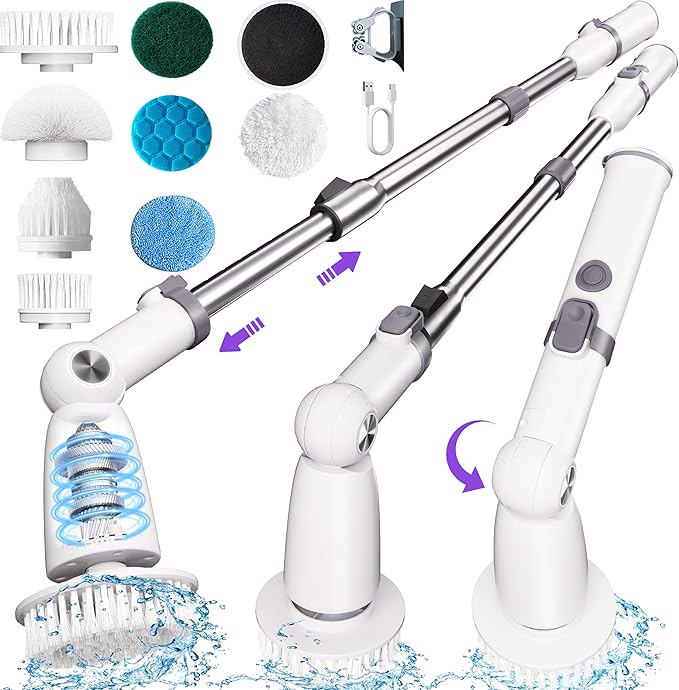
Specialized components require targeted attention to maintain proper electrical and mechanical function. For drills, drivers, and rotary tools, open the chuck fully and clean the internal jaws with a brush and a small amount of solvent-free cleaner. Wipe away old, contaminated greas Synoshi comes with specialized attachments designed for different surfaces—from delicate glass and electronics to tough bathroom … e and apply a fresh, thin layer of appropriate lubricant if the manufacturer recommends it for that specific mechanism.
Inspect metal bits, blades, and accessory shanks. Clean resin, pitch, or rust off cutting edges using a specialized cleaner and a stiff brush, then dry them thoroughly to prevent corrosion. For battery-operated tools, inspect the metal terminal contacts inside the battery bay and on the battery packs themselves. If you notice a white or green powdery residue on the terminals, remove it gently using a dry cotton swab or a clean pencil eraser. Avoid leaving moisture or chemical residue on electrical contact points, as this can cause resistance, arcing, or poor power delivery when the tool is reassembled and used again.
Reassemble and Test Operation
Once every part of the tool is thoroughly clean, dry, and disinfected, leave the components apart in a dry environment for a designated period to ensure complete evaporation of any trapped moisture. A few hours of air drying is usually sufficient, but complex tools may require longer. Never rush this stage, as residual moisture inside a closed housing can cause a short circuit or rust internal bearings the moment power is restored.
Reinsert batteries or reconnect the tool to its power source only after confirming the exterior is completely dry and switches move freely without sticking. Perform a functional test by running the equipment briefly in a safe, open area without putting it under load. Listen for unusual motor noises, check that cooling fans spin freely, and verify that all safety guards and switches operate precisely as intended. Document the maintenance if your facility requires tracking logs for tool upkeep, and store the equipment in a clean, dry, climate-controlled environment until its next use.