Derila ERGO Memory Foam Pillow
How to Soften a New Memory Foam Pillow Without Ruining Its Support
Last updated: October 19, 2026 8:00:00 AM
Looking up How to Soften? See how Derila ERGO - Memory Foam Pillow is used day to day, where it fits, and what to check before you try it.
Unboxing a new memory foam pillow often comes with an unexpected surprise: instead of a plush cradle, your head rests against what feels like a dense block. Figuring out how to soften a memory foam pillow without compromising its structural support is a common challenge for many sleepers. Visco-elastic material naturally responds to ambient warmth, gentle compression, and steady airflow. When freshly unpackaged, the microscopic foam cells are tightly compressed from factory packing and warehouse storage. By using gentle pressure and introducing a bit of warmth, you can easily accelerate this break-in process without causing permanent damage.
You do not need aggressive methods, chemical sprays, or soaking cycles to make your new pillow comfortable. A slow, intentional approach ensures that the pillow retains its original height and contouring ability instead of sagging prematurely. Simple daily habits like light kneading and maintaining a moderate room temperature will produce noticeable improvements in just a few days. As you begin resting on it, your natural body heat takes over the job, gradually shaping the material to your neck and head. With a little time and proper care, your firm pillow will settle into a supportive, pressure-relieving sleep surface.
Practical Steps: How to Soften Oct 19, 2026 · Одноклассники Video content not found on the specified channel in OK.RU. a Dense Foam Pillow
The most effective mechanical way to loosen firm memory foam is regular, hands-on manipulation. Factory-fresh polyurethane cells are naturally rigid and tightly bound together. You can ease this initial stiffness by placing the pillow on a flat surface and pressing down with your palms or clean knees. Work systematically from the center outward, applying enough pressure to compress the foam without ripping it. This manual kneading mimics weeks of normal movement, expelling stale warehouse air and pulling fresh room air into the matrix. Spending five minutes kneading the pillow each day will noticeably relax the surface tension while preserving core support.
Temperature control is the other key factor in relaxing dense visco-elastic foam. Because memory foam is thermosensitive, it hardens in cold environments and relaxes as the surrounding air warms. If your bedroom stays chilly during the day, your pillow will naturally feel firmer 001 C.C. Catch - Strangers By Night 002 Kaoma - Lambada 003 A-ha - Take On Me 004 Ласковый май - Розовый вечер 005 … when you lie down at night. Keeping the pillow in a room with a comfortable ambient temperature prevents it from contracting into a dense slab. You can also place the pillow in a dryer on an air-only cycle—with no heat—along with clean dryer balls for ten minutes. This tum Best Hits 80s ( сб.№ 1) видео сборник 001 C.C. Catch - Strangers By Night 002 Kaoma - Lambada 003 A-ha - Take On Me 004 Ласковый май - Розовый вечер 005 … bling action circulates air through the material and gently flexes the internal structure without risk of heat damage.
Where the Derila ERGO - Memory Foam Pillow Fits Into the Process
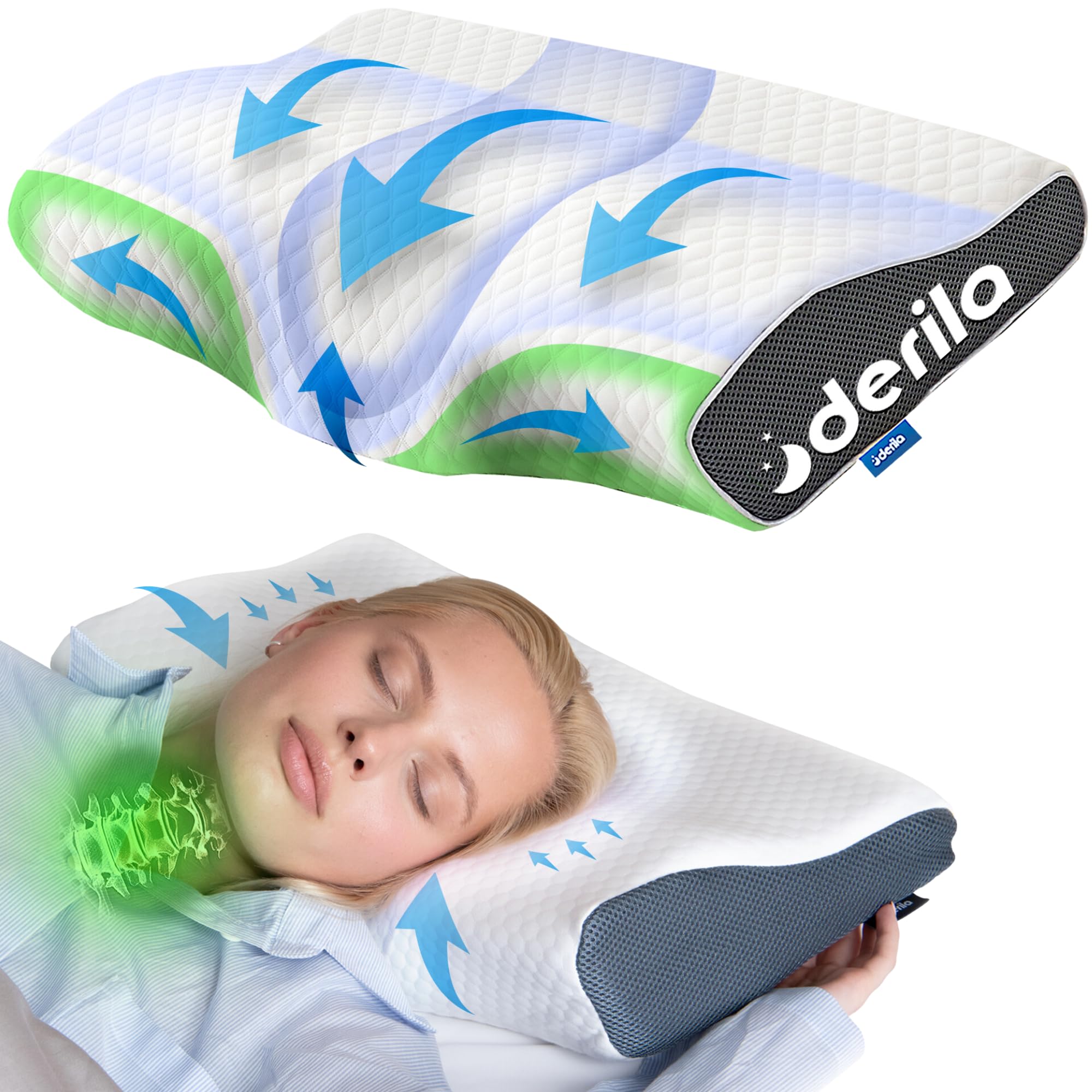
When working with a specialized contoured model like the Derila ERGO - Memory Foam Pillow, your softening routine requires a bit more care. Standard rectangular pillows feature a uniform block of foam, bu May 4, 2026 · The hub will process the package and generate an international tracking number when they forward the package to … t an ergonomic pillow relies on specific height transitions, a central head hollow, and raised neck contours. The objective with the Derila ERGO - Memory Foam Pillow is to soften the surface touch points while keeping its distinct shape intact. Focus your gentle hand compressions into the central cradle and along the side sleeping areas rather than twisting the edges. By loosening just the surface layer, you allow the pillow to feel welcoming without flattening the contours that keep your cervical spine aligned.
Using the Derila ERGO - Memory Foam Pillow nightly will naturally finish the break-in process through direct contact. When you lie down, your head transfers body heat straight into the foam, triggering its adaptive properties where pressure is concentrated. If the pillow feels slightly dense at first, resting quietly for fifteen minutes gives the material adequate time to respond to your warmth. It is also helpful to avoid thick, rigid pillowcases that restrict airflow or compress the molded shape; a soft, stretchy cover ensures proper heat transfer. Over the first week or two, the Derila ERGO - Memory Foam Pillow will adjust to your body, providing a tailored balance of gentle cushion and ergonomic support.
Common Mistakes That Can Ruin Foam Support
The biggest mistake sleepers make when trying to break in a pillow is applying high, direct heat. While mild ambient warmth helps memory foam yield, excessive heat will melt, warp, or permanently scorch the internal polymers. Putting a foam pillow in a clothes dryer with heat turned on, using an iron, or setting it on a heating vent will destroy its resilience. High heat causes the cellular structure to collapse into a brittle state that cannot rebound. Even prolonged exposure to direct sunlight can break down the material through ultraviolet degradation. To keep your pillow supportive, always rely on ambient room temperatures and never subject the core to concentrated heat sources.
Another frequent error is saturating the pillow with water or harsh chemical cleaners. Memory foam behaves like a dense sponge, holding moisture deep inside where airflow cannot easily reach. Washing the pillow in a machine or submerging it in water strains the material, leading to tears, permanent clumping, and potential mold growth. Physical mistreatment can be equally damaging to the structural integrity of the cushion. Forcefully wringing the pillow, folding it sharply in half, or placing heavy furniture on it will snap the delicate foam bridges. A torn foam core will quickly lose its height, leaving you with an uneven surface that fails to support your neck properly.
Frequently Asked Questions About Pillow Break-In
How long does a new memory foam pillow take to soften naturally?
Under normal nightly use, a new memory foam pillow typi Oct 19, 2026 · ASA Man of Flowers (1983) Directed by Paul Cox. With Norman Kaye ... cally takes two to four weeks to break in naturally. During this period, consistent body heat and pressure steadily loosen the tight polymer bonds. If you practice manual kneading every day, you can often cut that timeline down to under a week. Denser pillows naturally require more patience than lightweight foam designs. Sleeping on the pillow consistently each night remains the most dependable way to reach your preferred softness level.
Can I wash a memory foam pillow to help break it i Derila Ergo Memory Foam Pillow Review: Does It Work? n faster?
You should never submerge a solid memory foam pillow in water or put it through a wash cycle. Soaking the foam weakens the internal walls and causes the material to disintegrate or lose its rebound ability. In addition, wet memory foam takes an extraordinarily long time to dry, which frequently leads to mold growth. The safe path to softening is purely mechanical, relying on dry pressure and room-temperature air. If the pillow needs freshening up, wash only the removable outer cover and gently spot clean the foam with a damp cloth.
Does room temperature really affect how firm memory foam feels?
Room temperature has a major effect on the overall firmness and responsiveness of visco-elastic foam. The material is thermosensitive, meaning it tightens in cold air and sof Oct 19, 2026 · Shipping | eBay Community tens in warm surroundings. If your bedroom is kept cool during the day, the pillow may feel exceptionally stiff when you first lie down. Keeping the room at a normal, moderate temperature helps the foam stay pliable and ready for sleep. Once you rest your head on it, your natural body heat takes over to create a custom contour.
Will softening a contoured pillow make it lose its ergonomic shape?
Gentle softening will not alter the molded ergonomic shape of a contoured pillow. The goal of breaking in the pillow is to loosen surface tension rather than distort its baseline structure. Quality foam has high resilience and will continue to bounce back to its original shape after use. You only risk damaging the contour if you fold the pillow harshly, wring it out, or expose it to intense heat. As long as you apply distributed, flat pressure, the neck roll and head hollow will remain completely supportive.
How can I tell if my pillow is simply too firm rather than just needing time to break in?
If you have used the pillow consistently for a month in a warm room without any improvement, it may simply be too firm for your body. A pillow that is genuinely too dense will push your head forward or upward, causing morning neck pain or shoulder stiffness. Breaking in a pillow relieves surface tension, but it cannot transform an ultra-firm core into a low-density cushion. Side sleepers often need slightly more firmness than back sleepers, but your spine should always remain neutral. When persistent discomfort outlasts several weeks of patient break-in techniques, choosing a softer pillow model is your best option.