Derila ERGO Memory Foam Pillow
Pillow Shopping Guide
Last updated: October 17, 2026 8:00:00 AM
For Pillow Shopping Guide, check loft, firmness, and who the pillow is meant for.
Finding the right bedding can be a transformative experience for your sleep quality, which is why a comprehensive Pillow Shopping Guide is an essential starting point for anyone looking to improve their nighttime comfort. Most people spend roughly a third of their lives in bed, yet they often overlook the critical role that proper neck and spinal alignment plays in their daily health. A well-chosen pillow acts as the bridge between your mattress and y Cervical vertebrae - Wikipedia Injuries to the cervical spine are common at the level of the second cervical vertebrae, but neurological injury is uncommon. C4 … our head, ensuring that your cervical spine remains in a neutral position throughout the night. By understanding the various materials, lofts, and densities available on the market, you can narrow down your options and avoid the frustration of purchasing products that do not meet your specific physiological needs. This guide aims to demystify the process, helping you make an informed decision that prioritizes long-term rest and recovery.
When you embark on your Pillow Shopping Guide journey, you are essentially investing in the quality of your waking hours. The search for the ideal pillow is not merely about finding something soft to rest your head on; it is about finding the right balance of support and comfort that suits your unique sleeping position. Whether you are a side sleeper, a back sleeper, or someone who shifts frequently throughout the night, the internal architecture of your pillow must be able to accommodate these changes. By evaluating your current sleep habits and identifying the common pain points you experience upon waking, you can use these insights to filter through the overwhelming variety of choices available today. This guide will walk you through the structural considerations and material properties that define a quality sleep experience, ensuring that your next purchase is a calculated investment rather than a random guess.
Un Best - definition of best by The Free Dictionary 1. In a most excellent way; most creditably or advantageously. 2. To the greatest degree or extent; most: "He … derstanding the Essentials of a Pillow Shopping Guide
The primary goal of any effective Pillow Shopping Guide is to help consumers distinguish between marketing terminology and functional design. Many shoppers become confused by labels like "ergonomic" or "cooling," which often obscure the more important metrics of loft, firmness, and material composition. Loft refers to the height of the pillow when it is resting on the bed, and choosing the right height is arguably the most important factor in preventing neck strain. For instance, side sleepers generally require a higher loft to bridge the gap between their shoulder and the mattress, whereas stomach sleepers typically need a very thin, flat profile to keep their neck from being pushed at an unnatural angle.
Beyond loft, the density and material of the filling dictate how the pillow will behave over time. Natural materials like down or feathers offer a plush, moldable feel but may require frequent fluffing to maintain their shape. Conversely, synthetic fills like polyester or specialized foams offer more consistent structural support. When utilizing this Pillow Shopping Guide to refine your search, pay close attention to how the material recovers after pressure is applied. High-quality materials should provide a gentle resistance that cradles the head without collapsing completely under the weight of your body. By focusing on these fundamental physical properties, you can cut through the noise of the retail landscape and identify products that are genuinely suited to your sleep posture.
Who It Is For and Who Should Skip It
This guide is for anyone who wakes up with persistent neck stiffness, shoulder tension, or the lingering feeling of having slept poorly despite spending enough hours in bed. If you have been using the same pillow for several years, or if you find yourself constantly folding, bunching, or punching your pillow to get comfortable, you are the ideal reader for this content. People who have recently transitioned to a new mattress may also find that their old pillow no longer provides the correct alignment, as the interaction between your shoulder and the sleep surface has fundamentally changed. This information is designed to help those who are tired of trial-and-error shopping and want a systematic approach to finding a reliable sleep accessory.
However, some individuals may find that a new pillow is not the solution to their underlying sleep issues. If your discomfort is severe, chronic, or accompanied by numbness or tingling, it is important to consult with a medical professional rather than relying on a change in bedding. Furthermore, if you are strictly looking for a bargain-bin item without regard for durability or material quality, this guide’s emphasis on long-term structural support may feel unnecessarily detailed. Those who are entirely satisfied with their current setup and experience no physical discomfort upon waking may also find that purchasing a new product is an unnecessary expense. The goal here is to assist those who truly need to optimize their sleep environment, not to encourage consumption for the sake of novelty.
What to Check Before Buying
Before you finalize a purchase, you must verify the return policy and trial period offered by the manufacturer or retailer. Sleep is highly subjective, and the feel of a pillow in a store—or even after one night at home—can be very different from the feel after a week of consistent use. Look for brands that allow you to test the product in your own bed for a reasonable amount of time, as this is the only way to know if the material density and loft are truly compatible with your physiology. Be wary of manufacturers that offer no trial period, as this often indicates a lack of confidence in the product's ability to satisfy a wide range of users. Additionally, consider the ease of maintenance; check if the cover is removable and mac 3873 Grand Ave - Electronics, Appliances & More - Best Buy hine washable, as hygiene is just as important as structural support for the longevity of your purchase.
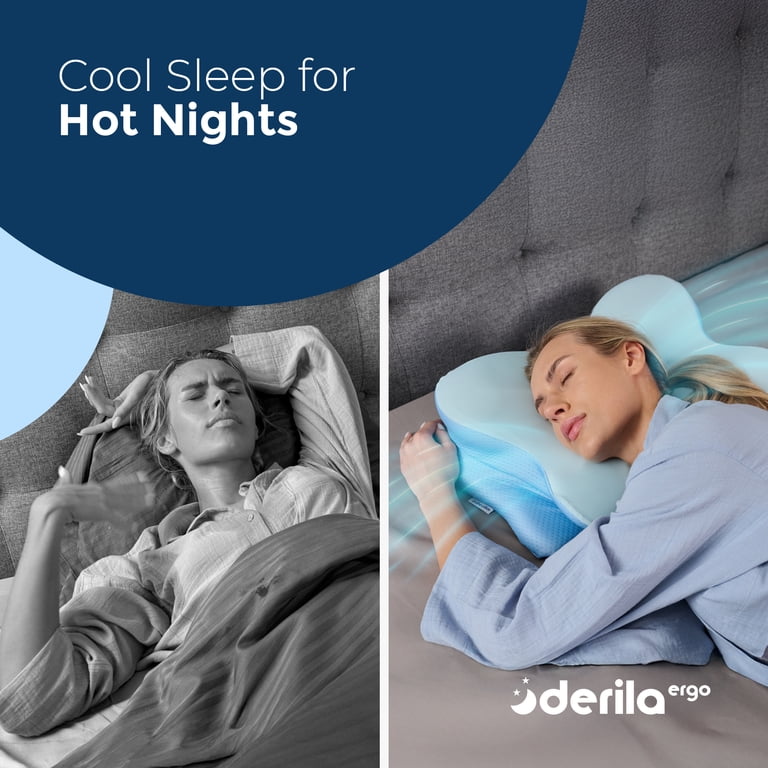
You should also examine the breathability of the materials used in the construction. Some foams, such as the Derila ERGO - Memory Foam Pillow, are designed to contour to the unique shape of the user's head and neck, but they can sometimes retain heat if they lack proper ventilation or specialized cooling covers. If you are a "hot sleeper," prioritize materials that promote airflow or include moisture-wicking fabrics in the outer shell. Furthermore, verify the certifications of the materials used, such as those related to chemical emissions or hypoallergenic properties. By performing these checks, you ensure that the product you bring into your home is not only supportive but also clean, comfortable, and suited to your personal temperature p Cervical Spine Anatomy: C1–C7 Vertebrae, Muscles & Nerves Jan 1, 2026 · Explore cervical spine anatomy with clear diagram, vertebrae, muscles, nerves & … references throughout the night.
FAQ
How do I know which loft is right for my Oct 16, 2026 · Best Buy | Official Online Store | Shop Now & Save sleeping position?
The correct loft is determined by the distance between your ear and the edge of your shoulder, which needs to be filled to keep your spine straight. Side sleepers typically require a higher loft to ensure the head remains aligned with the torso, preventing the neck from dipping downward. Back sleepers are generally best served by a medium-loft pillow that provides enough support to keep the neck in a neutral curve without pushing the head too far forward. Stomach sleepers should look for the lowest possible loft, or even no pillow at all, to avoid forcing the neck into an extended position that can cause strain.
Can a memory foam pillow like the Derila ERGO - Memory Foam Pillow help with neck pain?
Contouring materials are often cited for their ability to support the natural curve of the neck, which can help distribute weight mor Amazon.com: Derila Explore Derila memory foam pillows with ergonomic support designed for restful sleep positioning. e evenly and reduce pressure points. By adapting to the specific shape of your head and neck, these materials aim to maintain alignment even as you shift positions during the night. While no pillow can eliminate pain caused by underlying conditions, the consistent support provided by high-density foams is designed to minimize the physical stress placed on the cervical spine. It is essential to ensure that the firmness of the foam matches your personal preference, as a pillow that is too firm or too soft can have the opposite effect.
How often should I repl BEST Definition & Meaning - Merriam-Webster 5 days ago · In the best of all possible worlds, no one would be without food and clean water. I have a wonderful … ace my pillow to maintain proper support?
Most experts suggest that a pillow should be replaced every one to two years, though this timeframe depends heavily on the materials used and how well the item is maintained. Over time, the internal fibers or foam structures begin to break down, losing their ability to provide the necessary loft and support for your head. If you notice that your pillow has developed permanent indentations, has become lumpy, or no longer offers the same level of comfort it did when it was new, it is likely time for a replacement. Regular fluffing and the use of a protective cover can extend the life of your pillow, but eventually, the materials will reach the end of their functional lifespan.
Is it better to choose a synthetic or a natural filling?
Synthetic fills, such as polyester or foam, are often preferred for their consistency, affordability, and hypoallergenic properties, making them a reliable choice for many households. Natural fills like down or feathers offer a highly adjustable, moldable experience that many sleepers find luxurious, but they can be more expensive and may require more frequent maintenance to keep their shape. The decision ultimately comes down to your personal sensitivity to allergens and your preference for either the resilient, structured feel of foam or the soft, sinking sensation of natural materials. Both options can provide excellent support if the density and loft are correctly matched to your needs.
What should I look for in a pillow cover?
The cover serves as the first line of defense for your pillow, so it should be made from durable, breathable fabrics that can be easily removed and laundered. Materials like cotton, bamboo, or specialized performance blends are ideal because they allow for airflow and help regulate temperature throughout the night. A high-quality cover should also be tightly woven to act as a barrier against dust mites and other allergens, which is particularly important for individuals with respiratory sensitivities. Ensure that the zipper is well-concealed and sturdy, as this will prevent it from irritating your skin while you are trying to sleep.