Derila ERGO Memory Foam Pillow
Safe and Easy Ways to Soften Your Memory Foam Pillow at Home
Last updated: October 18, 2026 8:00:00 AM
Looking up How to Soften? See how Derila ERGO - Memory Foam Pillow is used day to day, where it fits, and what to check before you try it.
When you bring home a new memory foam pillow, it often arrives feeling far more rigid and unyielding than expected. Knowing how to soften the material without causing structural damage comes down to working with its natural physical properties, primarily temperature and gentle pressure. The fastest and safest approach involves placing the pillow in a warm room for several hours, followed by gentle manual kneading to flex the interior cell structure. Sleeping on the pillow consistently also allows your natural body heat and head weight to gradually ease the stiff bonds formed during packaging and manufacturing. With just a small amount of patience and steady warmth, a stiff pillow will generally transition into a far more pliable, comfortable surface.
Memory foam is a viscoelastic material, meaning its density and firmness are intentionally calibrated to respond to both pressure and ambient climate conditions. When it is compressed, packaged, and shipped through cold warehouses or winter transit, the polymer cells lock into a tightened state that feels noticeably dense. Understanding that this initial hardness is a standard phase of the product lifecycle prevents unnecessary frustration or premature returns. As the material breathes and reaches normal indoor temperatures, the cellular matrix begins to open up and react more dynamically to movement. Taking a deliberate, gentle approach ensures you can achieve the ideal balance of plushness and stable support without degrading the core foam.
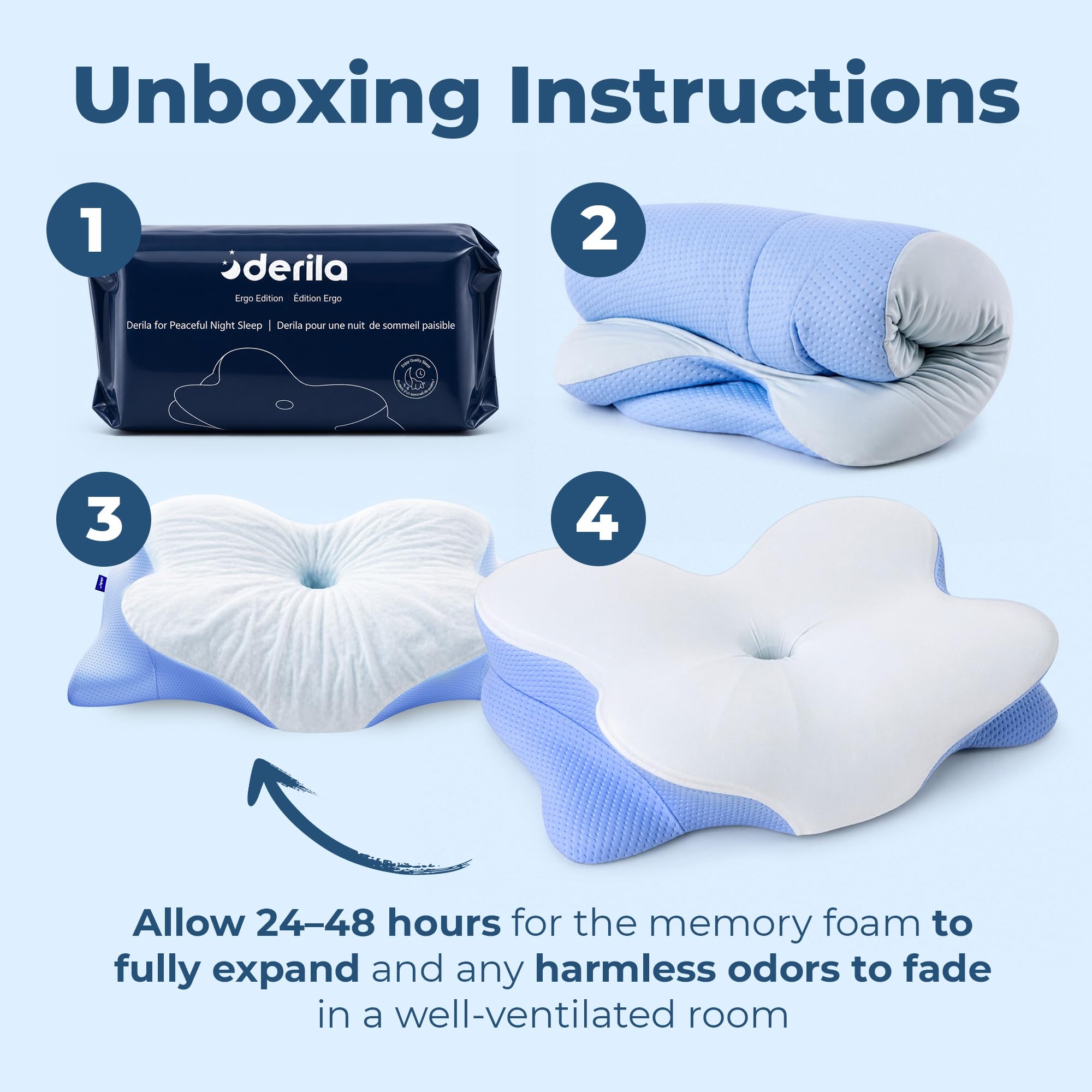
Step-by-Step Methods on How to Soften a Pillow Safely
The primary factor governing the firmness of viscoelastic foam is ambient temperature. Because memory foam relies on warmth to relax its cellular matrix, placing your pillow in a chilly bedroom will naturally keep it feeling dense and rigid. To begin the softening process, bring the pillow into the warmest area of your home, or simply increase the temperature in your bedroom for a day or two. You can also place the pillow near a safe ambient heat source, such as a sunny windowsill or a room with steady airflow, taking care never to place it directly against intense heating elements. Giving the core several hours to absorb ambient warmth will make the subsequent mechanical steps much more effective and significantly reduce the effort required to make the material yield.
Once the foam has thoroughly warmed to room temperature, you can introduce gentle mechanical pressure to break in the internal structure. Lay the pillow flat on a clean bed or carpeted floor and use your hands, forearms, or even your knees to apply rhythmic, controlled pressure across the entire surface. You can roll the pillow gently from side to side, press deep indentations into the center, and flex the edges back and forth to loosen the factory tightness. If your clothes dryer features an air-only or "no heat" fluff setting, placing th Shop Best Buy for electronics, computers, appliances, cell phones, video games & more new tech. Store pickup & free 2-day … e pillow inside with a couple of clean dryer balls for fifteen to twenty minutes can simulate this gentle massage automatically. Consistent physical movement over a few days helps open up the microscopic air pockets inside the foam, resulting in a noticeably softer texture while preserving the pillow’s ability to recover its shape.
Where Derila ERGO - Memory Foam Pillow Fits in the Process
Contoured options present a distinct situation during the break-in phase because their shape serves a functional purpose. An ergonomic design features deliberate curves, hollows, and elevated neck supports that must retain a certain baseline density to keep your spine aligned throughout the night. When working with the Derila ERGO - Memory Foam Pillow, your goal is to soften the surface response rather than eliminate the contoured profile that provides structural integrity. Because the Derila ERGO - Memory Foam Pillow is sculpted to cradle the head and neck in multiple sleeping positions, applying localized warmth to the primary contact areas helps the material mold quickly to your specific anatomy. Over-softening an ergonomic shape through aggressive means can compromise the precise contours, so a steady, moderate approach is always best.
Integrating this type of contoured pillow into your routine simply requires giving the foam enough contact time to register your body heat. When using the Derila ERGO - Memory Foam Pillow during the first week, resting in your preferred sleep position for ten to fifteen minutes before falling asleep allows your natural body temperature to soften the targeted contact zones. As the foam warms beneath your head, neck, and shoulders, it settles into an individualized contour that feels supportive rather than stiff. If the pillow feels overly rigid out of the package, letting it air out in a warm room and applying light hand pressure along the central cradle will speed up this acclimation. Maintaining this balance ensures that the pillow becomes sufficiently comfortable while still offering the reliable elevation and stability you expect from an ergonomic shape.
Crucial Mistakes to Avoid When Softening Memory Foam
The most destructive mistake you can make when trying to accelerate the break-in process is exposing the foam to direct, uncontrolled heat. High heat sources such as electric heating pads set on high, conventional hair dryers held close to the surface, or standard heated dryer cycles will scorch or melt the delicate polyurethane structure. Once memory foam experiences extreme heat, the cellular walls collapse permanently, causing the material to harden into brittle lumps or lose its ability to bounce back entirely. Even leaving the pillow under intense, magnified summer sunlight for days at a time can degrade the polymers and lead to premature crumbling. Patience with moderate ambient warmth is vastly superior to any short-term shortcut involving high temperatures.
Another frequent error is introducing excess moisture or aggressive mechanical twisting in an attempt to make the pillow pliable. Submerging a solid memory foam core in water, spraying it with fabric softeners, or wringing it out like a towel will tear the internal structure and create pockets where moisture becomes trapped. Damp memory foam takes an exceptionally long time to dry and frequently develops mildew, which ruins the hygiene and structural soundness of the product. Similarly, folding the pillow completely in half or stomping on it with force can cause internal shear tears that weaken its overall integrity. The softening process should always remain gradual, dry, and gentle to ensure that the material softens evenly without sacrificing durability.
Frequently Asked Questions
How long does it usually take to break in a new memory foam pillow?
Most memory foam pillows require anywhere from a few days to two full weeks of regular use to fully soften. The timeline depends heavily on the initial density of the foam and the ambient temperature of your sleeping environment. Brand-new pillows often arrive tightly compressed, meaning the microscopic air pockets need time and physical contact to open completely. Sleeping on the pillow every night provides steady warmth and localized pressure, which naturally accelerates this timeline compared to leaving it untouched on a shelf. If you practice gentle manual kneading during the first few days, you can often cut this adjustment period down significantly.
Can I wash a memory foam pillow to make it softer?
You should never submerge a solid memory foam pillow in water or run it through a standard was Derila Ergo Memory Foam Pillow Review: Does It Work? hing machine to soften it. Waterlogged memory foam becomes extremely heavy, fragile, and prone to tearing apart under its own weight during handling. Furthermore, thick foam takes days to dry thoroughly, which creates an ideal environment for mold and mildew growth inside the core. If your pillow features a removable cover, washing that fabric according to its care tag can help soften the outer layer against your skin. For the foam core itself, rely entirely on dry methods such as manual pressure, ambient room warmth, and regular use.
Does room temperature affect how s Oct 16, 2026 · 4 days ago · In the best of all possible worlds, no one would be without food and clean water. I have a wonderful family and a great … oft my pillow fee Oct 16, 2026 · Shop Best Buy for electronics, computers, appliances, cell phones, video games & more new tech. Store pickup & free 2-day …Read more ls?
Room temperature plays a major role in determining how firm or plush a memory foam pillow feels at any given moment. In cooler environments, particularly rooms kept below standard room temperature, the viscoelastic polymers contract and cause the pillow to feel noticeably dense. Conversely, in a warmer room, the foam remains naturally more pliable and responds much faster to the weight of your head. If your bedroom tends to run cold at night, the pillow may feel firm when you first lie down, gradually softening as your body heat transfers into the surface. Keeping the pillow in a warm area during the day can help it feel softer from the moment you go to bed.
Will kneading the foam damage its shape or support?
Gentle kneading with your hands will not damage a quality memory foam pillow and is actually one of the safest ways to break it in. By applying moderate pressure with your palms or knuckles, you encourage the compacted cells to flex and circulate trapped air without tearing the material. It is important to avoid violent actions such Oct 17, 2026 · Cervical vertebrae - Wikipedia In sauropsid species, the cervical vertebrae bear cervical ribs. In lizards and saurischian dinosaurs, the cervical ribs are … as twisting the foam, folding it sharply, or pulling at the edges with excessive force. As long as you treat the material with reasonable care, manual massage merely simulates months of regular sleep in a matter of minutes. This controlled flexing helps achieve a softer feel while keeping the original contouring intact.
What should I do if my pillow still feels Jan 1, 2026 · Explore cervical spine anatomy with clear diagram, vertebrae, muscles, nerves & functions. Easy, accurate guide for … too firm after several weeks?
If a pillow remains uncomfortably firm after two to three weeks of daily use, you can take a few additional practical steps to adjust your experience. Try removing any thick, rigid pillow protectors that might be restricting the foam from conforming closely to your head and absorbing your body heat. You can also spend twenty minutes each evening gently massaging the surface or letting it sit in a warmer room before you turn in for the night. In some cases, personal sleep posture and body weight simply do not generate enough pressure to compress very high-density foam comfortably. If gradual break-in techniques yield no change, the base density of that particular pillow may simply be firmer than your sleep preferences require.