Wellnee Knee Relief Patch
salonpas pain patch ingredients
Last updated: September 14, 2026 12:38:52 AM
Understanding what goes into over-the-counter transdermal options helps clarify how they manage everyday discomfort. When exploring choices for localized aches, many shoppers look closely at formulation labels to compare traditional medicated options with alternative herbal products.
Salonpas Pain Patch Ingredients
The formulation of a standard Salonpas patch relies on specific active pharmaceutical ingredients designed to provide topical analgesia. The primary active components typically include methyl salicylate (an NSAID), menthol, and camphor. Methyl salicylate acts as a counterirritant and nonsteroidal anti-inflammatory component, while menthol and camphor stimulate nerve endings in the skin to produce cooling or warming sensations that distract from underlying aches. Inactive ingredients generally consist of mineral oil, polyisobutylene, synthetic aluminum silicate, and various adhesive resins or backing cloths that keep the patch secured to the skin.
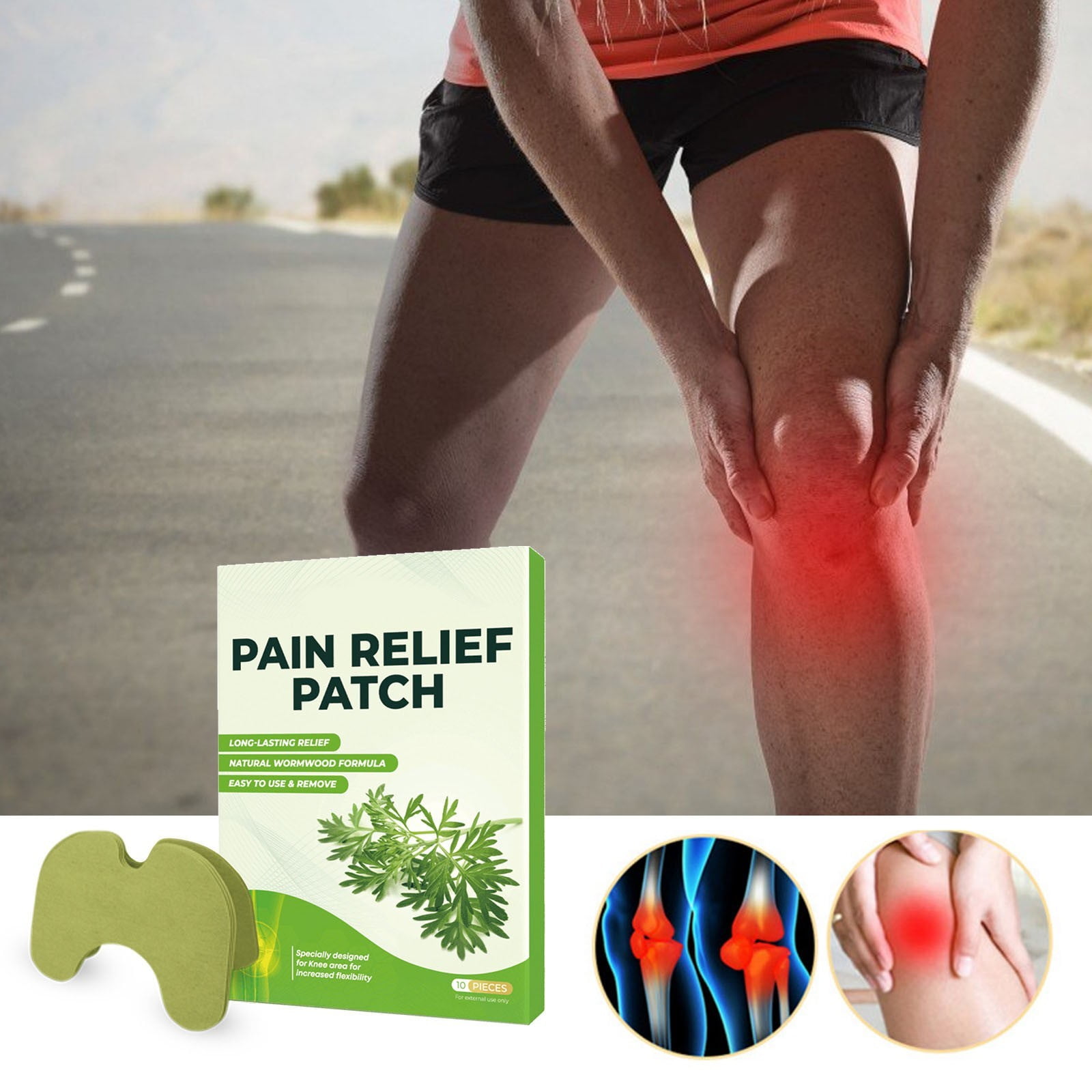
Where alternative items like Wellnee Knee Patches fit into this landscape is through a shift toward botanical or herbal blends rather than traditional pharmaceutical NSAIDs. Instead of methyl salicylate, Wellnee Knee Patches utilize a multi-ingredient matrix featuring components such as wormwood, ginger extract, capsaicin, borneol, saffron, cinnamon, camphor, and menthol. While both product types use adhesive backings and localized delivery to target joint or muscle discomfort, they rely on entirely different active philosophies—one rooted in standard over-the-counter pharmaceutical analgesics and the other in traditional plant-based extracts.
Who It May Suit and Who Should Skip It
Topical patches generally suit adults seeking localized, temporary relief for minor muscle stiffness, joint soreness, or minor sprains without relying on oral pills. They are often convenient for people who want targeted application on specific areas like the lower back, shoulders, or knees.
On the other hand, certain individuals should skip or exercise caution with these products. Anyone with known allergies to salicylates (such as aspirin) should avoid formulas containing methyl salicylate. People with sensitive skin, open wounds, rashes, or broken skin should also refrain from applying adhesive patches. Furthermore, pregnant individuals or those taking specific medications should consult a healthcare professional before using products containing active chemical penetrants or strong counterirritants.
What to Check Before Buying or Using It
- Active component list: Review whether the formula relies on pharmaceutical NSAIDs like methyl salicylate or botanical extracts like wormwood and capsaicin.
- Skin sensitivity and placement: Check if your skin reacts poorly to adhesives, synthetic resins, or strong warming agents like capsaicin and menthol.
- Intended duration: Verify recommended wear times per patch to avoid prolonged skin irritation or occlusion.
FAQ
Do these patches cure underlying joint conditions?
No. Topical patches provide temporary surface-level sensory distraction or localized comfort, but they do not treat the root structural cause of chronic joint or muscle diseases.
Can I wear a patch while using a heating pad?
No. Combining external heat sources like heating pads with medicated or active topical patches can cause excessive skin irritation or unexpected absorption rates.
How long should a single patch be left on?
Wear times vary by specific product instructions, but most patches are designed for limited application windows lasting several hours rather than continuous, uninterrupted wear.
Comments
Leave a Comment