Synoshi Power Scrubber
system clean up tools
Last updated: November 12, 2026 8:00:00 AM
System clean up tools are software programs designed to remove unwanted files and free up storage space on a computer. These utilities scan the hard drive to safely delete temporary data, cache files, and system junk that can slow down performance.
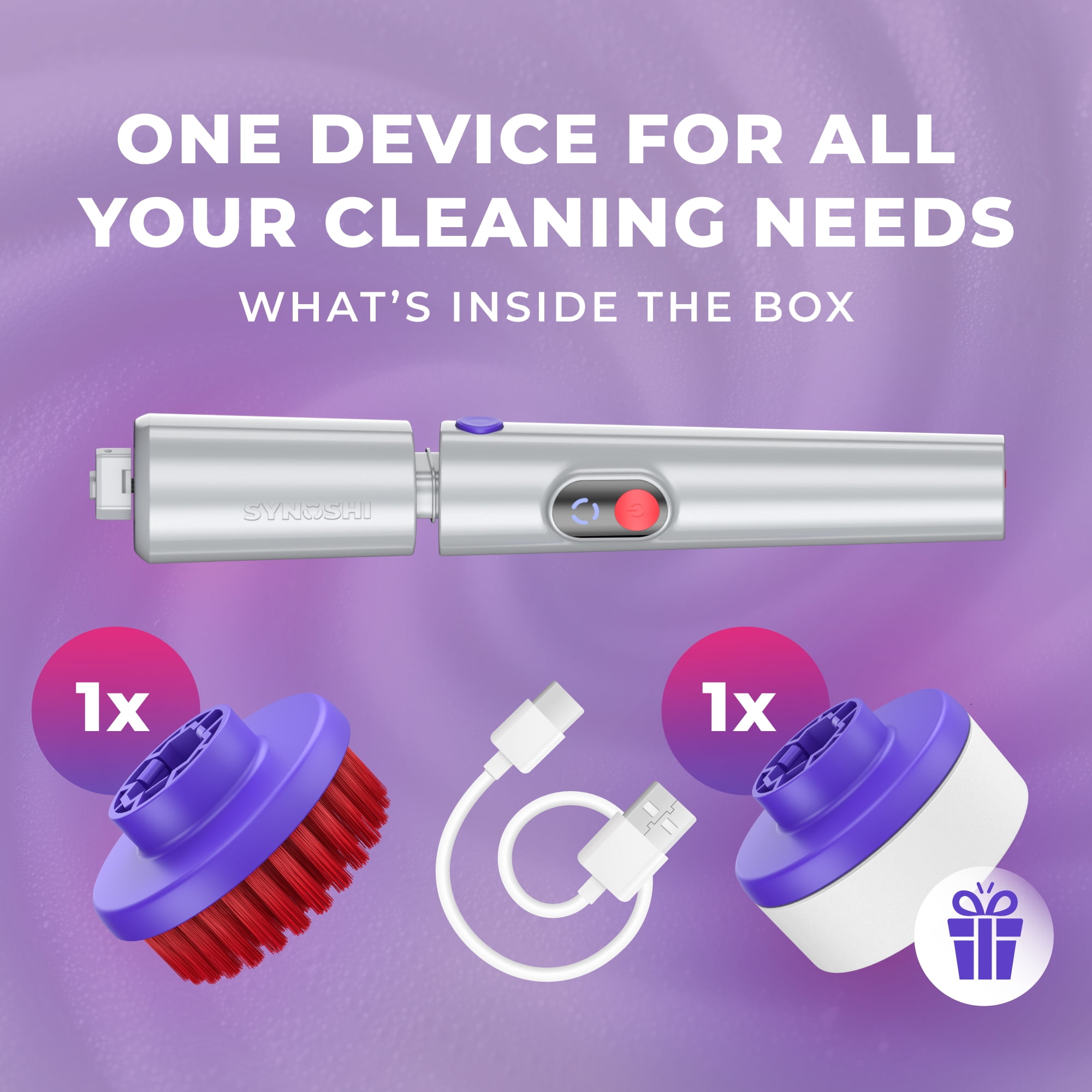
System clean up tools are software utilities designed to locate and remove unwanted files, temporary data, and redundant registry entries from a computer's storage drives in order to free up space and maintain orderly file structures. When a computer runs for months or years, the operating system and various programs constantly write files to the hard drive. Over time, these files accumulate, taking up gigabytes of storage and occasionally causing the system to become sluggish. Using a utility to clear out this digital clutter helps keep the storage organized and ensures that the machine operates smoothly without manual intervention.
How Digital Clutter Accumulates
Every time a user browses the internet, installs a program, edits a document, or streams video, the operating system creates temporary files. These files are designed to help applications load faster or to save progress in case of an unexpected shutdown. However, many programs fail to delete these temporary files once they are no longer needed.
Internet browsers are among the biggest contributors to hidden digital clutter. They store web pages, images, cookies, and scripts in a cache so that returning to a favorite site happens almost instantly. While useful in the short term, a browser cache can easily grow to several gigabytes over a few months. Similarly, operating systems keep logs of background errors, update installation packages after they have already been applied, and retain previous system restore points that are no longer necessary.
As these files pile up, they consume valuable free space on the primary storage drive. On older mechanical hard drives, fragmentation can also occur, where files are broken up and scattered across different physical sectors, forcing the read-head to work harder. While modern solid-state drives handle data placement differently, they still require adequate free space to perform backgrou But the best electric scrubbers can fast-forward the dramatic deep-clean montage and leave your home shining and sparkling like new (without the arm workout) … nd maintenance tasks efficiently. Allowing a drive to reach near-maximum capacity often leads to noticeable slowdowns and warning messages from the operating system.
Types of Files Targeted for Removal
A standard maintenance utility examines several specific categories of data during a scan. Understanding what these files are helps users ensure that important documents are never accidentally lost during a cleaning session.
Temporary files created by the operating system and third-party software form the largest category. These files usually reside in designated folders with names like temp or cache. They hold data that was relevant only during a specific session, such as an incomplete software download or a cac Nov 12, 2026 · Amazon.com: Best Electric Scrubber For Cleaning Cordless electric scrubbers with multiple brush heads and adjustable speeds for bathroom, kitchen, and floor … he of recently viewed thumbnails in a file manager.
Another common target is the system recycle bin or trash folder. When files are deleted by a user, they are not immediately erased from the physical storage media; instead, they are moved to a holding area in case they need to be restored. Over months, users often forget to empty this folder, leaving large video files and high-resolution images sitting invisibly on the drive.
Application logs and installation remnants are also evaluated. Many programs leave behind setup logs, old updater packages, and crash reports. While these can be helpful for developers diagnosing software bugs, they serve no practical purpose for the everyday computer user and can safely be removed. Finally, web browser data—including browsing history, cached images, and temporary internet files—frequently appears on the removal list to reclaim space and protect user privacy.
Evaluating Built-In Operating System Options
Before looking toward external utilities, most modern operating systems include native features designed to handle basic file removal and storage organization. These built-in utilities have the advantage of being developed by the creators of the operating system itself, ensuring they recognize critical system files and avoid deleting anything vital.
Thes What is SharePoint? | Microsoft Support e native tools typically scan the main drive and present a categorized breakdown of what can be safely deleted. Users can review sections such as temporary files, previous operating system installations left over after major updates, and items currently sitting in the trash. Selecting these categories and initiating the process allows the system to clear out the data automatically.
Operating systems also frequently include automated storage management features. When enabled, these features monitor available drive space and automatically delete temporary files or empty the recycle bin on a regular schedule. For many users, these built-in capabilities provide all the necessary maintenance without requiring any additional software downloads. They handle the routine upkeep quietly in the background, keeping storage levels stable.
The Role of Third-Party Utilities
When built-in options do not offer deep enough scans o Time in Australia Now — All Time Zones r when a user wants a more centralized dashboard to manage multiple cleanup tasks, third-party software utilities are often considered. These independent applications offer specialized features that go beyond the basic functions provided by the Nov 9, 2026 · 6 days ago · Exact time now, time zone, time difference, sunrise/sunset time and key facts for Australia. operating system.
Independent tools often provide a more comprehensive scan by checking hundreds of popular third-party applications, games, and web browsers that a native system utility might ignore. They can target specific application caches, leftover configuration files from uninstalled programs, and duplicate files scattered across different folders. Some utilities also offer advanced features such as startup management, allowing users to control which programs launch automatically when the computer turns on, which can significantly improve boot times.
However, using external software requires caution. Some aggressive utilities attempt to clean the system registry—a hierarchical database that stores low-level settings for the operating system and applications. While removing obsolete Nov 11, 2026 · Buy Syracuse Orange Football Tickets | 2024 Event Dates & Schedule ... Aug 31, 2024 · Buy Football Syracuse Orange Football event tickets at Ticketmaster.com … registry entries is sometimes marketed as a way to speed up a computer, modern operating systems manage the registry quite well on their own. Overly aggressive registry cleaning can occasionally remove keys that active programs rely on, leading to instability or software malfunctions. Therefore, users should exercise care and review settings carefully before letting an external utility modify system-level configurations.
Safe Practices for Routine Maintenance
Maintaining a clean and orderly computer storage drive is best approached as a routine habit rather than a one-time fix. Establishing safe practices ensures that storage remains available while protecting important personal files from accidental deletion.
First, users should always back up important documents, photographs, and financial records to an external drive or cloud storage before running any deep cleaning software. While maintenance utilities are designed to target expendable data, unexpected errors can occur, and having a backup provides absolute peace of mind.
Second, reviewing scan results before confirming deletion is essential. Most utilities present a detailed list of what they intend to remove, categorized by type. Taking a moment to look over these lists ensures that important browser cookies, saved login sessions, or recent download histories are not swept away unintentionally.
Third, moderation is key. Running a deep cleanup every week is rarely necessary and can sometimes cause more harm than good, particularly if it repeatedly clears out caches that applications rely on for efficient loading. A monthly check, combined with the operating system's built-in automated maintenance, is usually more than enough to keep storage drives orderly and responsive.
By understanding where digital clutter comes from, utilizing the right combination of native and independent tools, and following cautious maintenance habits, users can keep their computers running efficiently for years. A well-organized storage drive reduces frustration, prevents unexpected bottlenecks, and ensures that the system has the breathing room it needs to perform at its best.