Synoshi Power Scrubber
What is the best tool to clean up startup programs?
Last updated: November 12, 2026 8:00:00 AM
Many software utilities can help you manage and disable unnecessary programs that launch when your computer boots up. Choosing the right option depends on your technical comfort level and whether you prefer a simple interface or advanced system controls.
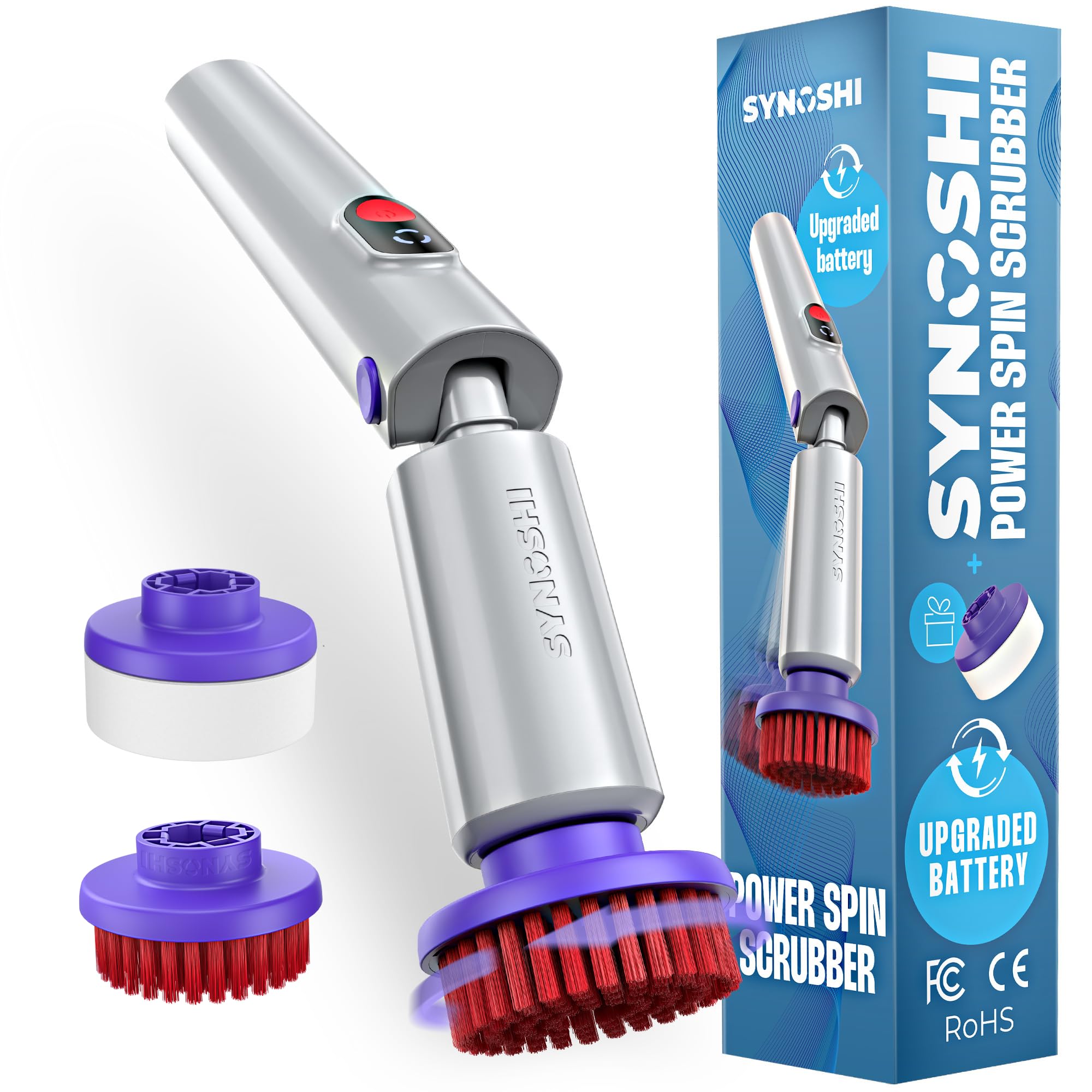
The best tool to clean up startup programs is the built-in operating system manager, such as the Task Manager on modern Windows computers or the Login Items settings on macOS. These native utilities provide direct, safe access to the background processes and applications that launch automatically when the computer boots up, allowing users to disable unnecessary items without installi Nov 12, 2026 · The 6 Best Electric Scrubbers, Tested by BHG ng third-party software.
When a computer takes an excessively long time to become usable after turning on, the culprit is almost always a long queue of startup applications. Over months and years of installing software, many programs quietly add themselves to the startup sequence. They sit in the system tray, check for updates, sync files, or run hidden helper services, consuming memory and processing power right from the start. Taking control of this automatic launch sequence is one of the most effective ways to restore speed and responsiveness to a sluggish machine.
Understanding the Startup Process
To manage startup items effectively, it helps to understand what actually happens when a computer boots. Modern operating systems load the core system files first, followed by essential hardware drivers. Once the basic environment is ready, the system turns its attention to user-level applications. These are the programs that place an icon in the corner of the screen or run invisible background tasks designed to make apps open faster later in the day.
Many application installers use aggressive tactics during setup. They check a box by default that tells the program to launch at startup, often without making it obvious to the user. Once active, these programs claim a portion of the system memory and processor capacity. If ten or fifteen applications all attempt to initialize simultaneously the moment the desktop appears, the computer experiences a severe bottleneck. The hard drive or solid-state drive struggles to read all the necessary files at once, leading to frozen screens, high fan noise, and long waits before the machine can accept user input.
Using the Built-I Nov 12, 2026 · Home | Support : Synoshi Delivery status, tracking updates, invoices, address changes, order numbers, and missing confirmations. Defective items, return … n System Manager
The most reliable approach to managing these programs involves using the tools already provided by the operating system. These native managers are designed by the creators of the software itself, meaning they understand the inner workings of the system and present minimal risk to system stability.
On contemporary systems, the primary interface for this task is found within the system management dashboard. Users can access it through a common keyboard shortcut or by right-clicking the taskbar and selec Nov 10, 2026 · BEST Definition & Meaning - Merriam-Webster 5 days ago · In the best of all possible worlds, no one would be without food and clean water. I have a wonderful … ting the management utility. Within this interface, a dedicated tab or section displays every application configured to run at boot.
The layout typically presents a clean list of application names, their publishers, and their impact on the startup process. Some operating systems categorize this impact simply as low, medium, or high, giving users a c Delivery status, tracking updates, invoices, address changes, order numbers, and missing confirmations. Defective items, return … lear indicator of which programs demand the most resources during the critical boot phase. Alongside each item is a clear toggle or button to disable or enable its automatic launch.
Evaluating What to Keep and What to Disable
Faced with a long list of startup programs, many users feel hesitant to change anything for fear of breaking the computer. However, the majority of items in a typical startup list are entirely optional.
Essential items usually include hardware-specific control panels—such as audio managers or touchpad utilities—and core security software like antivirus definitions. These ensure the computer remains secure and that input devices function correctly. Everything else, from messaging applications and media helpers to cloud storage sync tools and printer utilities, can generally be disabled without harming the operating system.
Disabling a program at startup does not uninstall the application. It simply stops the program from running continuously in the background from the moment the computer turns on. If a user needs a disabled application later, they can open it manually just like any other program. The only difference is that the application will launch when requested rather than wasting system resources before it is needed.
For programs with ambiguous names, a simple right-click often reveals an option to search online for details. This allows users to research unfamiliar executable files to determine their exact purpose and w Aug 30, 2025 · Buy Football Louisville Cardinals Football event tickets at Ticketmaster.com. Get sport event schedules and promotions. hether they belong to a trusted application or a piece of unwanted bloatware.
Maintai Nov 12, 2026 · We tested 26 of the best electric scrubbers on the market, and narrowed them down to the six best. These are the ones we liked most for their ease of use … ning a Clean Boot Environment Over Time
Cleaning up startup programs once provides an immediate boost, but maintaining that performance requires ongoing attention. Every time a new software package is installed, there is a strong likelihood it will attempt to insert itself into the boot sequence.
Developing a habit of checking the startup manager periodically helps keep the system lean. Whenever a user notices the computer starting to slow down during the boot phase, a quick check of the automatic launch list often reveals new additions that have slipped in through recent software updates or installations.
Users should also remain cautious about applications that promise to automate this entire process. While specialized utility software exists for managing startup items, many of these third-party products introduce unnecessary complexity, background services of their own, or unwanted promotional extras. Sticking to the operating system's native tools ensures a straightforward, transparent experience without any hidden costs or added software clutter.
Ultimately, keeping startup programs under control is a fundamental part of routine computer maintenance. By understanding how applications launch at boot and using the built-in management tools to disable non-essential items, users can significantly reduce boot times and ensure their hardware operates at peak efficiency.