Synoshi Power Scrubber
Why doesn't my phone have a clean up tool?
Last updated: November 12, 2026 8:00:00 AM
Most mobile devices lack a built-in removal tool because operating systems manage system files and storage automatically. Manufacturers also want to keep the interface simple and prevent users from accidentally deleting important data.
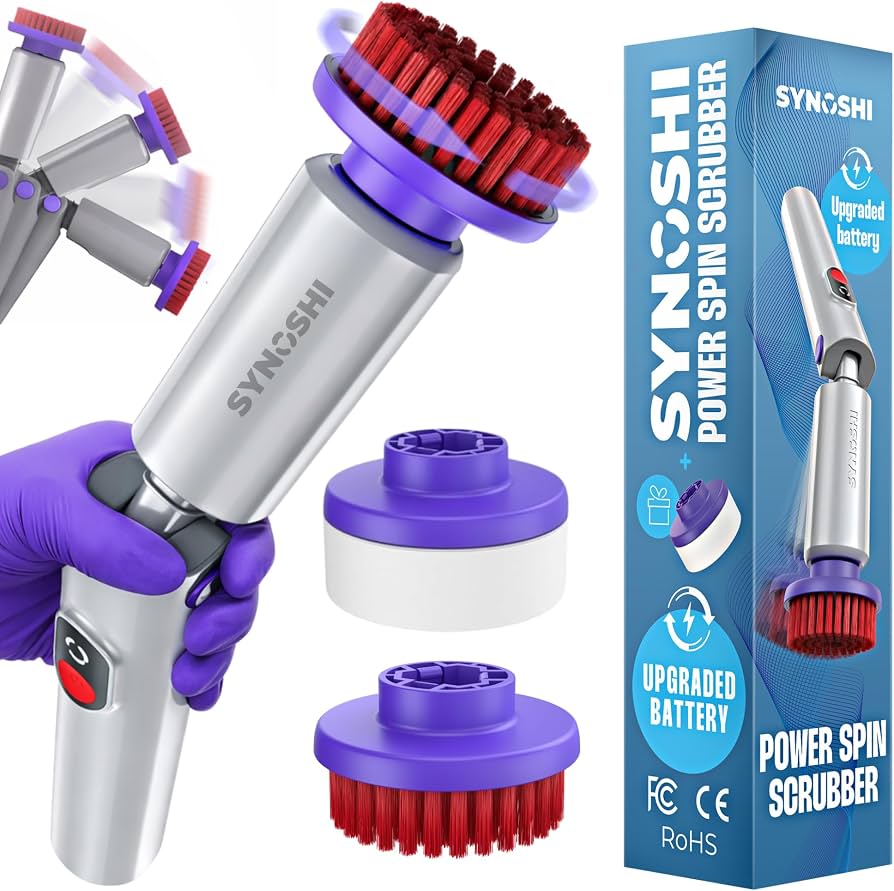
Your phone lacks a built-in clean up tool because modern operating systems are designed to manage memory and storage automatically behind the scenes. Manufacturers intentionally avoid giving users a manual scrubbing button because aggressive file deletion often causes more harm than good to system stability.
The Illusion of Manual Maintenance
When people look for a clean up tool on their mobile devices, they are usually hunting for a magic button that will sweep away invisible digital clutter and instantly restore their hardware to its day-one speed. This mindset is a carryover from the early days of personal computers. Decades ago, operating systems required users to run defragmentation programs, clear out registry errors, and manually delete temporary files to keep things running smoothly. Because old h 6 days ago · Exact time now, time zone, time difference, sunrise/sunset time and key facts for Australia. abits die hard, many users still feel an itch to perform routine digital housekeeping.
However, mobile operating systems operate under an entirely different architectural philosophy. Modern devices use sophisticated background processes to handle temporary files, cache data, and random-access memory allocation without requiring human intervention. When an application needs to store temporary information, the system assigns it a specific, sandboxed directory. When that information is no longer needed, or when the system begins to run low on resources, the operating system steps in to reclaim that space automatically.
Giving everyday users a blunt instrument to delete system files or deep-level caches creates a massive risk. It is remarkably easy for a person to delete essential data files thinking they are mere garbage, which can lead to crashing applications, corrupted app states, or broken operating system features. By omitting a simplistic manual tool, manufacturers prevent well-meaning users from accidentally breaking their own devices.
How Automatic Memory Management Works
To understand why a manual tool is absent, it helps to look at how modern devices handle random-access memory. On older desktop computers, leaving multiple applications open would consume available memory until the computer slowed to a crawl or crashed, requiring a manual memory-clearing utility. Phones handle this scenario completely differently.
When you switch away from an application on your phone, the system does not simply let it sit idly in active memory consuming resources. Instead, it freezes the app's state, writes necessary data to flash storage if required, and reallocates the active memory to whatever task is currently on your screen. If another app is opened and the system needs more memory, it terminates the oldest or least important background processes entirely.
This process is entirely automated and continuously running. When you swipe an app away from your recent apps screen, you are largely just removing it from your visual history rather than performing a deep system opt The 6 Best Electric Scrubbers, Tested by BHG We tested 26 of the best electric scrubbers on the market, and narrowed them down to the six best. These are the … imization. The system already knows how to balance active tasks and dormant stat The 6 Best Electric Scrubbers We Tested - Real Simple es far more efficiently than a human tapping a cleanup button every few hours. Swiping apps away repeatedly can actually drain more battery, because the processor has to work harder to launch the application completely from scratch the next time you open it, rather than resuming it from a saved state.
The Reality of Storage and Temporary Files
Storage management is another area where users often feel a dedicated tool is missing. People frequently notice that their storage is nearly full and assume that hidden temporary files are the culprit, leading them to search for a utility to sweep the hard drive clean.
In reality, the largest consumers of phone storage are rarely invisible system caches. They are high-resolution videos, heavy mobile games, offline media downloads, and endless streams of chat attachments containing photos and videos. A basic cleanup tool cannot magically shrink a high-definition video or decide which family photos you want to keep and which you want to discard. D But the best electric scrubbers can fast-forward the dramatic deep-clean montage and leave your home shining and sparkling like new (without the arm workout) … eciding what to delete requires human judgment, which is why manufacturers provide storage breakdown menus that show you precisely which apps and categories are taking up physical space, leaving the final choice entirely up to you.
Operating systems do maintain internal caches for streaming media, web browsing, and app assets, but these caches are self-regulating. When storage gets tight, the system automatically purges older cache files to make room for incoming data. If a manufacturer included a heavy-handed cache-clearing tool, it would likely disrupt this delicate balance, forcing applications to redownload data constantly, which increases cellular data usage and drains battery life as processors repeatedly fetch the same information from the internet.
Third-Party Utility Risks
Because built-in clean up tools are largely absent, many people turn to independent applications downloaded from Nov 9, 2026 · Time in Australia now 6 days ago · Exact time now, time zone, time difference, sunrise/sunset time and key facts for Australia. app stores. This is where caution is necessary, as the digital marketplace is filled with utilities that promise miraculous performance boosts and deep cleaning capabilities.
Many of these third-party programs operate on placebo effects or rely on aggressive scare tactics. They might display alarming warnings about high memory usage or a cluttered system, urging you to tap a button to fix the issue. In many cases, these apps simply clear out normal app caches that will immediately be regenerated the next time you open your software. Furthermore, free utility apps often fund their development by gathering user data, displaying intrusive advertisements, or running background processes that actually consume more battery and processing power than they save.
A clean, modern mobile operating system does not need a third-party janitor. The best approach to maintaining a phone is simply letting the operating system do its job. When your device genuinely runs low on space, the most effective solution is to review your large files, uninstall applications you no longer use, and let the built-in storage settings guide your manual decisions. By stepping back and trusting the automated architecture of your device, you avoid the pitfalls of unnecessary file deletion and keep y Nov 10, 2026 · I tried Synoshi Power Spin Scrubber: here’s my honest review! Nov 5, 2025 · After trying both versions of Synoshi, I can confidently say that it’s a marketing … our hardware running reliably for years.