Synoshi Power Scrubber
Why is the SSD not showing up after a diskpart clean?
Last updated: November 12, 2026 8:00:00 AM
Running the clean command removes the partition table and erases all existing volume data from the storage drive. You need to initialize the drive and create a new simple volume in disk management before it will appear in your system.
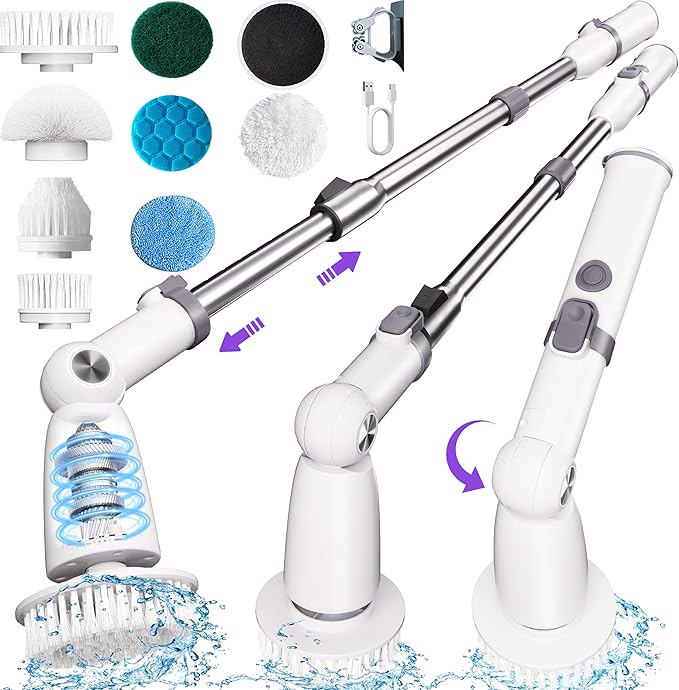
When you run a diskpart clean command, it wipes all partition and volume information from the selected drive, effectively returning it to a factory-fresh, unallocated state. The solid-state drive is not showing up because the operating system no longer sees a rec BEST Definition & Meaning - Merriam-Webster 5 days ago · In the best of all possible worlds, no one would be without food and clean water. I have a wonderful … ognized file system or volume structure to assign a drive letter, meaning the system knows the hardware is attached, but it has no instructions on how to read it.
Understanding the Diskpart Clean Process
The diskpart utility is a powerful command-line tool built into modern operating systems for managing storage devices. When someone executes the clean command on a specific disk, the utility overwrites the primary sector headers—specifically the Ma Limited Time Promo: 70% Off Synoshi Pro! | Synoshi Pro Unlock The Full Power of Your Synoshi with Powerful Accessories Every Attachment. Every Surface. Every … ster Boot Record or the GUID Partition Table—depending on how the drive was previously formatted.
By removing these partition tables, the command destroys the map that the operating system uses to understand where data begins and ends on the medium. Without this map, the operating system treats the hardware as raw, uninitialized space. It is a deliberate action designed to wipe configurations, remove stubborn old installations, or prepare a medium for a fresh setup. However, because the utility strips away the volume definitions, the storage device instantly disappears from standard file exploration interfaces. The hardware is physically connected and functioning, but functionally invisible to daily user tasks until new partitions are created.
Checking Nov 12, 2026 · Home | Support : Synoshi Delivery status, tracking updates, invoices, address changes, order numbers, and missing confirmations. Defective items, return … Physical and What is SharePoint? | Microsoft Support All you need is a web browser, such as Microsoft Edge, Chrome, or Firefox. Want to learn more? Get started with … BI Nov 12, 2026 · But the best electric scrubbers can fast-forward the dramatic deep-clean montage and leave your home shining and sparkling like new (without the arm workout) … OS Connections
Before diving back into software utilities, it is wise to verify that the hardwa Nov 9, 2026 · Time in Australia Now — All Time Zones re itself is properly recogniz Nov 10, 2026 · Best Buy Store Locator: Store Hours, Directions & Events Use the Best Buy store locator to find stores in your area. Then, visit each Best Buy store's page to … ed at the most fundamental level. Sometimes, the timing of a command execution or a system reboot causes a temporary communication hiccup between the motherboard and the storage device.
Restarting the computer allows the basic input-output system or the Unified Extensible Firmware Interface to re-scan all connected hardware ports. During this startup sequence, entering the firmware settings menu lets you check whether the motherboard detects the storage device in the primary port list. If the hardware does not appear in this foundational menu, the issue goes beyond software configuration. In such cases, checking the physical cables—whether dealing with a direct motherboard slot or a cabled interface—ensures that nothing was jostled loose during the handling of the internal components. Once verified that the hardware level detects the device, you can safely return to the operating system environment to restore its functionality.
Initializing the Drive in Disk Management
The primary graphical tool for managing storage in modern operating systems is the built-in disk management utility. Because the clean command removed all structural data, this utility is where you bring the storage medium back to life by giving it a fresh initialization state.
Open Contactez le support Microsoft. Recherchez des solutions aux problèmes courants ou bénéficiez de l’aide d’un agent de support. ing this utility typically prompts a notification regarding a newly detected disk that requires initialization. During this process, you must choose a partition style. Modern systems generally rely on the GUID Partition Table format for reliability and support with contemporary firmware, while older legacy systems might require the Master Boot Record format.
Once initialized, the physical medium will appear in the lower section of the utility interface, marked with a black bar indicating that the space is entirely unallocated. This visual confirmation proves that the operating system now sees the hardware clearly, but it still lacks a usable file system. The initialization step acts as the bridge between raw, unformatted hardware and a structure ready to accept a new volume layout.
Creating a New Partition and File System
With the hardware initialized and showing as unallocated space, the final step to make it fully visible i Nov 12, 2026 · Amazon.com: Best Electric Scrubber For Cleaning n standard file exploration windows is to create a new volume. Right-clicking the unallocated space in the disk management utility opens a wizard designed to guide you t The 6 Best Electric Scrubbers We Tested - Real Simple hrough setting up the new partition.
The wizard prompts you to specify the size of the new volume. Most users choose to utilize the entire capacity of the storage medium as a single drive, though partitioning allows you to divid Nov 10, 2026 · 5 days ago · In the best of all possible worlds, no one would be without food and clean water. I have a wonderful family and a great … e the space into smaller sections if desired. Next, the wizard asks you to assign a drive letter, which acts as the address the operating system uses to display the volume in file exploration tools.
Following the drive letter assignment, the formatting step takes place. Here, you select a file system that the operating system understands, such as the standard modern file system used for internal storage. You can also assign an optional volume label to help identify the medium easily. Once the format process completes, the system writes the new partition table to the storage device. The black bar in the management utility turns blue, and the drive immediately appears in the main file exploration interface, fully accessible for storing files, applications, and operating systems.